When you first hear the term binaural hearing aids, it can sound more technical than it is. It simply means wearing hearing aids in both ears instead of only one. This change may seem small, but it can strongly affect how you move through your day.

You may notice that some situations still feel hard with a single hearing aid, like following conversations in busy places or telling where sounds are coming from. Two hearing aids are designed to work with the way your brain naturally uses both ears together.

This can help sound feel clearer, more even and less tiring. So, what are the benefits of binaural hearing aid fittings?

How Your Ears and Brain Work Together for Better Hearing

Your ears do more than just pick up sounds. They capture the details of volume, pitch and direction and send that information to your brain.

The brain processes these signals and helps you make sense of what you hear, like distinguishing a friend’s voice in a crowded room or noticing the subtle hum of a fan in the background. This teamwork between ears and brain is essential for understanding speech, enjoying music and staying aware of your surroundings.

Hearing is not only about the ears receiving sound but also about the brain interpreting it accurately. When either part is affected, like with hearing loss, your brain may have to work harder to fill in gaps, which can be tiring.

Supporting the connection between your ears and brain through hearing support, practice and attention to listening environments can help you follow conversations more easily and enjoy sounds in daily life without as much effort.

Why Wearing Two Hearing Aids Often Feels More Natural

Wearing two hearing aids often feels more natural because it allows both ears to work together the way they were designed to. When sound enters from both sides, your brain can better judge direction, distance and clarity, which helps conversations feel more balanced and less strained.

Wearing only one device can make sounds seem uneven or harder to locate, especially in busy environments. With two hearing aids, many people notice that speech sounds fuller, background noise is easier to manage and listening requires less effort throughout the day.

How Two Hearing Aids Can Lower Listening Effort and Fatigue

When your brain has to fill in missing sounds from only one ear, listening can start to feel like work. You may find yourself guessing at words, watching lips closely or feeling tense during simple conversations.

Two hearing aids send clearer sound from both sides, so your brain does not have to guess as much. This can lower the mental effort needed just to follow what people are saying. With less strain, you may notice you feel less worn out after a long day of talking at work, with family or on the phone.

This can make it easier to stay part of conversations instead of pulling back because you feel drained or overloaded by sound. If you often feel tired or tense after social events or noisy outings, that can be a sign that your brain is working very hard to keep up.

What to Expect During a Binaural Hearing Aid Fitting Appointment

During a binaural hearing aid fitting appointment, your audiologist will focus on making sure both devices work together comfortably and effectively. You can expect the visit to include:

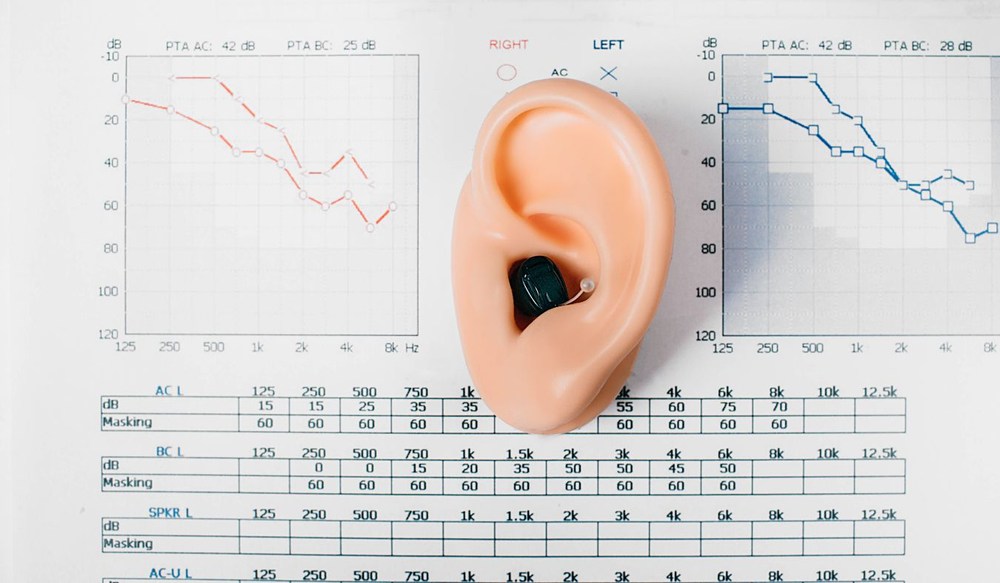
  • A review of your hearing test results and how they relate to each ear.
  • Programming each hearing aid to match your specific hearing needs.
  • Balancing sound between the two devices so neither ear feels stronger or weaker.
  • Testing speech clarity and comfort in different listening situations.
  • Clear instructions on inserting, removing and caring for both devices.

Helpful Questions to Ask Your Audiologist About Wearing Two Hearing Aids

If you are considering wearing two hearing aids, it helps to come prepared with thoughtful questions for your audiologist. You might ask how wearing two devices could improve your ability to understand speech in noisy settings or how they will help you tell where sounds are coming from.

It is also useful to discuss whether your hearing levels are similar in both ears and how that affects your results. These questions can give you a clearer picture of what daily listening may feel like with support in both ears.

You may also want to ask about the adjustment period and what changes to expect in the first few weeks. Some people are curious about battery life, maintenance or how the devices will connect to phones and other technology.

Asking how follow-up appointments will fine-tune both hearing aids together can also provide reassurance. Open conversation with your audiologist helps you feel more confident in your decision and better prepared for long-term success.

Choosing Binaural Hearing Aids to Support Your Best Everyday Hearing

Choosing a binaural hearing aid fitting is about supporting how your ears and brain naturally work together so you can hear more clearly, feel less worn out and stay safer and more confident in daily life. If you have noticed that one hearing aid still leaves you struggling in noise, guessing where sounds come from or feeling tired after conversations, it may be worth looking at what support for both ears can offer.

If you are unsure whether two hearing aids are the right next step or need your hearing tested, schedule an appointment with an audiologist. During that appointment, your hearing test results can be reviewed, your daily listening needs can be discussed and binaural settings can be tried in the office to make sure they fit your specific needs.

Taking time to explore this option now can support your long-term hearing health and make it easier to stay connected with the people and activities that are important in your life.