Hearing plays an important role in how children develop language, understand instructions and interact with others, even in ways that are not always obvious. For that reason, hearing screenings are a routine part of early childhood care, beginning at birth and continuing as children grow.

These guidelines are meant to support early awareness and help families stay informed about their child’s hearing as part of regular hearing checkups. Knowing how these screenings work helps you make informed decisions for your child’s health and development.

Why Early Hearing Screening Matters for Children

Early hearing screening matters because it helps you understand how a child is taking in the sounds that support learning and communication from the very beginning. Even small hearing differences can influence how children respond to voices, follow directions or take part in everyday activities at home and in school.

Screening gives families a clear starting point, helping them know whether hearing is developing as expected or if closer attention may be helpful. When hearing is checked early, it becomes easier to support a child’s needs in natural ways that fit into daily routines.

This early awareness allows children to stay engaged as they grow, build strong communication skills and take part confidently in the moments that shape their development.

Understanding How Infants and Young Children Develop Hearing

Hearing development in infants and young children happens gradually as their brains learn to recognize and organize sounds from the world around them. From early exposure to voices, music and everyday noise, children begin connecting what they hear with meaning, which supports early communication and learning.

As they grow, consistent sound input helps strengthen listening skills and supports how they respond, focus and interact with others. Understanding this process helps caregivers see why early awareness of hearing matters during the first years of development.

Risk Factors That May Require More Frequent Screenings

Some children have a higher chance of developing hearing loss and may need screenings more often. Risk factors include a family history of childhood hearing loss, premature birth, low birth weight or certain infections during pregnancy.

Other risks include illnesses like meningitis or exposure to loud noises. Children who have frequent ear infections or needed care in a neonatal intensive care unit may also need closer monitoring.

How Parents and Caregivers Can Monitoring Hearing

Parents and caregivers are often the first to notice signs of possible hearing loss. Watching for behaviors like not responding to loud noises, delayed speech development or needing higher volumes on devices can help identify concerns between scheduled screenings.

If you see these signs or have any worries about your child’s hearing at home or school, share them with an audiologist. Early attention helps ensure that any problems are addressed promptly.

Recommended Times for Pediatric Hearing Screenings

Pediatric hearing screenings are scheduled at key points to support a child’s growth and learning as they develop. The first screening typically happens shortly after birth, helping families establish an early baseline for hearing.

As children move through infancy and early childhood, additional screenings are recommended during routine wellness visits to track changes over time. These early check-ins help ensure hearing stays on track as communication skills begin to form.

Screenings also continue during the school years, when listening becomes more important for following instructions and participating in class. Regular checks at these stages help identify changes that may affect learning or social interaction.

Staying aware of recommended timing helps parents and caregivers feel prepared and confident as their child grows.

What Happens During a Pediatric Hearing Screening Appointment

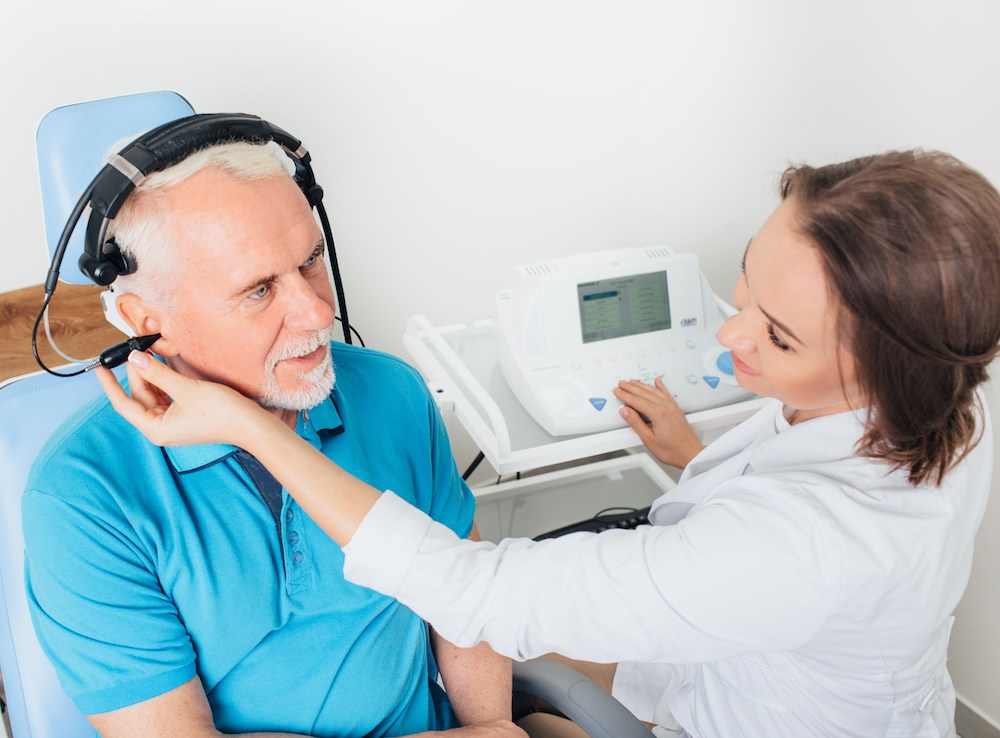
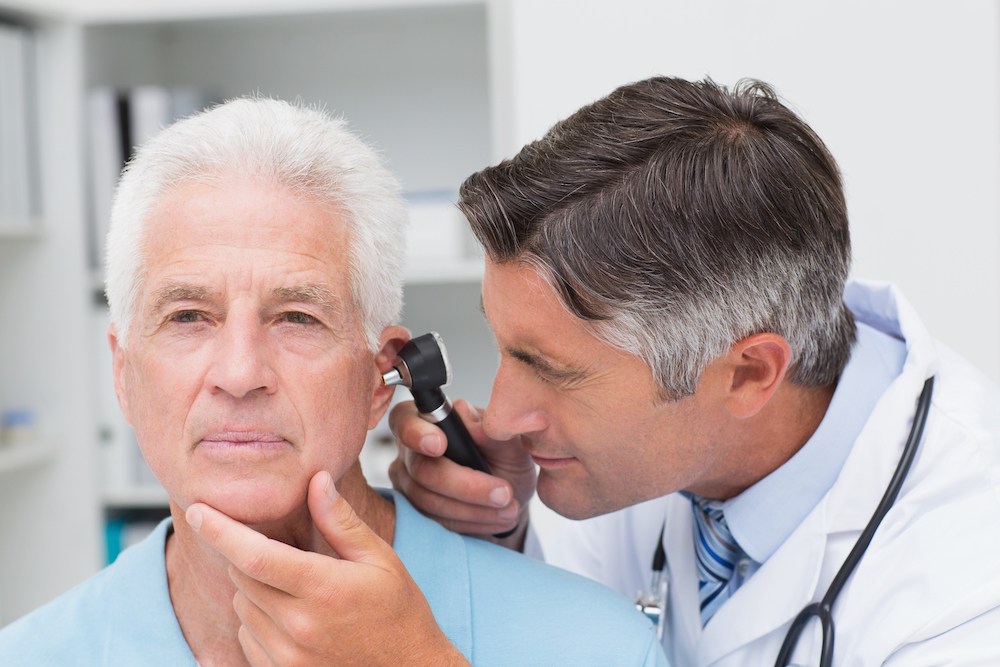
During a pediatric hearing screening appointment, an audiologist will gently check your child’s ears and explain each step before starting. Depending on your child’s age, an audiologist may use soft sounds, small earphones or fun activities to see how your child responds to different noises.

Appointments are usually quick for children. If results show any concerns, an audiologist may suggest more detailed testing or discuss ways to support your child’s hearing health. Regular check-ups for ear health are also important since common issues like ear infections can sometimes affect hearing in young children.

Methods Used to Screen Hearing in Children

Audiologists use several methods to check hearing in children, choosing each one based on the child’s age and ability to respond. Here are a few tests:

  • Otoacoustic emissions (OAE): This test uses a small earphone and microphone to measure how the inner ear responds to sound.
  • Auditory brainstem response (ABR): Small sensors are placed on the baby’s head while soft sounds are played through earphones to check how the brain reacts.
  • Visual reinforcement audiometry (VRA): For toddlers, this test uses sounds and moving toys or lights to see if your child turns toward noises.
  • Conditioned play audiometry (CPA): For preschoolers and young children, this method makes hearing tests into a game, like dropping a block in a bucket when a sound is heard.

Early screening provides you with clear information about your child’s hearing health.

How Screening Results are Shared and What They Mean

After your child’s hearing screening, your audiologist will review the results with you in a clear and supportive way. You will learn whether your child’s hearing is within the normal range or if more testing is recommended.

If your child does not pass the screening, it does not always mean there is permanent hearing loss. Sometimes fluid in the ear or a small blockage can affect results.

An audiologist will discuss any next steps and answer your questions, so you know what to expect.

Supporting Your Child with Regular Hearing Screenings

Pediatric hearing screening guidelines are designed to help you identify any hearing issues early, supporting your child’s communication and learning skills. Following recommended screenings helps ensure any changes in hearing are found and addressed quickly.

Regular screenings and check-ups support healthy growth from the very beginning. If you have questions about pediatric hearing screening guidelines or would like to schedule an appointment, schedule an appointment with an audiologist. Early attention helps children build strong skills as they grow and learn.