When you’re looking into hearing care, you expect to hear about hearing tests, hearing aids and your audiologist’s recommendations. Lately, though, another term keeps coming up, artificial intelligence (AI).
That leaves a lot of people wondering where it fits into the appointment and whether it changes the way hearing care is provided. The answer isn’t as simple as AI does everything or AI doesn’t matter at all.

It’s one part of the tools an audiologist may use, while the conversations, testing and clinical decisions still depend on the person sitting across from you.

What is Artificial Intelligence and Machine Learning in Hearing Care

Artificial intelligence and machine learning are often mentioned together, but they aren’t the same thing. Artificial intelligence is a term for computer systems that analyze information and complete specific tasks.

Machine learning is one way those systems recognize patterns and improve over time. In hearing care, these tools support certain parts of the process without replacing the audiologist.

They can organize information and identify patterns. Your audiologist still interprets the results, answers your questions and decides how that information applies to your care.

How AI Tools Support Hearing Tests and Diagnosis

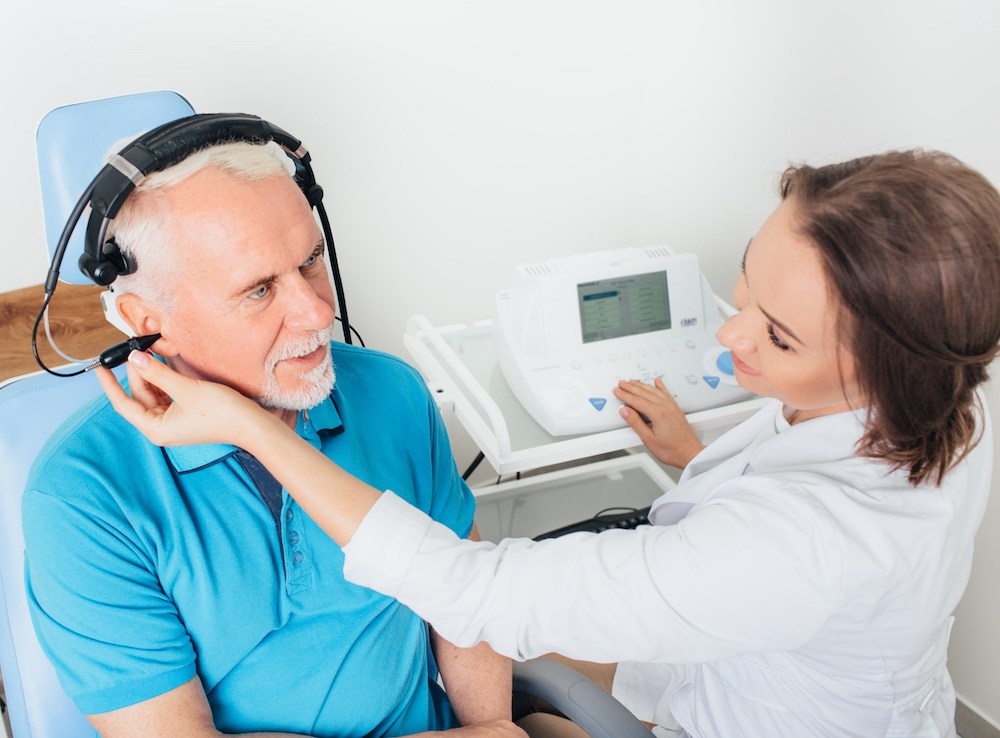
AI can support hearing care before you ever try on hearing aids, beginning with your hearing test. Some testing systems compare your results with thousands of previous hearing tests to look for patterns that might otherwise be missed.

They can also compare your current hearing with earlier test results. That makes small changes easier to spot over time.

Those changes may show whether your hearing has remained stable or shifted since your last visit. They can also point to areas that deserve a closer look during the rest of your appointment.

Using Machine Learning for More Precise Hearing Aid Settings

Your first hearing aid settings are based on your hearing test, but they rarely stay the same forever. As you wear the devices, you may notice that some places sound comfortable while others still need adjustment.

Machine learning looks for patterns in those listening experiences instead of treating every adjustment as a separate event. For example, if similar changes keep improving speech in busy restaurants or reducing unwanted background noise in certain situations, the software recognizes that pattern.

Your audiologist can use that information when making future programming changes, giving each adjustment more context than a single office visit or one conversation alone.

Real-Time Sound Adjustments with Smart Hearing Technology

Hearing aids don’t process every sound the same way all day long because the sounds around you are always changing. You might move from a quiet office into a busy lobby, step outside into traffic or answer a phone call.

Smart hearing technology recognizes those changes as they happen.

It automatically adjusts different settings, like speech processing, noise reduction and microphone direction, to match the sounds reaching your ears at that moment.

Those changes happen in the background while you’re going about your day. Instead of relying on one program for every situation, your hearing aids continue making small adjustments as new sounds appear and others fade away.

That keeps your devices responding to what’s happening around you instead of what the room sounded like a few minutes earlier. You spend less time reaching for manual controls because the hearing aids are already adapting as your surroundings change.

Tracking Long Term Changes in Your Hearing with Smart Data Tools

Smart data tools collect information over time instead of only during an office visit. Many modern hearing aids can record how long they’re worn each day, how often the volume changes and which listening programs are used most often.

Your audiologist can review that information alongside your hearing tests and previous programming changes. Looking at both together often explains why certain adjustments worked well while others didn’t.

Some people have questions about privacy or prefer not to share as much information through connected apps. Talking about those options before you begin lets you decide how much information you’re comfortable sharing.

Helpful Questions to Ask Your Audiologist About AI

AI covers a wide range of tools, so it’s helpful to know which ones are part of your hearing care. Bringing a few specific questions to your appointment can make those conversations more useful.

Some questions to ask include:

Which parts of my hearing care use AI?

How does AI affect the way my hearing aids are programmed?

Does AI use information from my hearing tests, my hearing aids or both?

What information do my hearing aids collect over time?

Can I decide what information is shared from my devices?

If I don’t use AI features, how would my experience be different?

Finding the Right Tools for You

AI is one more change in a field that has always continued to evolve. For most people, what matters isn’t the name of the technology.

It’s whether the information it provides makes their appointment more useful and their hearing care more closely matched to what they experience every day. That’s something you can talk through with your audiologist, just like any other part of your care.

The more you know about how AI is used, the easier it is to understand the features you’ll hear about during an appointment. Once you understand where it fits, it becomes just one part of the conversation instead of the whole conversation.