Living with hearing loss often means that everyday conversations take more effort than they used to.

Simple moments like talking on the phone, chatting in a busy restaurant or following along in a group discussion can start to feel tiring or frustrating. Even when hearing devices are working well, there can still be missed words, misunderstandings and a sense of having to work harder just to keep up.

Hearing rehabilitation strategies focus on building practical skills and habits that support clearer communication in real life. When you understand how these strategies fit into daily life, it becomes easier to find realistic ways to communicate with more comfort and confidence.

How Hearing Loss Changes Conversations

Hearing loss can make daily conversations feel different and sometimes more difficult.

You might notice that even familiar voices are harder to understand, especially when there is background noise or multiple people speaking at the same time. Words may take more effort to follow, and you could find yourself relying on context or facial expressions to fill in what you missed.

Conversations can also feel more tiring because your brain is working harder to process sound. You might catch only parts of sentences or mishear certain words, which can make it challenging to keep up with the flow of discussion.

These changes do not mean you are not listening; they reflect how your hearing has shifted and how your brain is adjusting to interpret the sounds around you.

What is Hearing Rehabilitation and What Does it Improve?

Hearing rehabilitation is a process designed to help people make the most of their hearing abilities and improve communication.

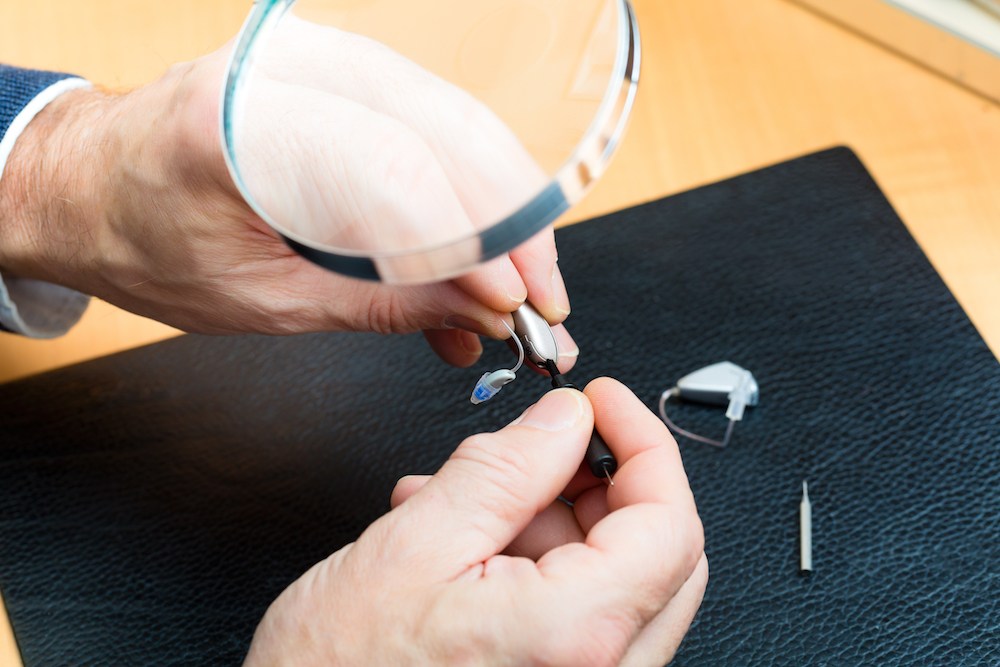
It often starts with having hearing devices fitted and adjusted to match your specific needs, ensuring that sounds come through at the right levels and are easier to understand. This process can help you follow conversations more easily, recognize voices more clearly and reduce the effort needed to listen in different environments.

Hearing rehabilitation also includes learning practical strategies for interacting with others. You might work on ways to focus on speech in noisy places, recognize when to ask for clarification or arrange settings to make listening easier.

Some programs include auditory exercises to train the brain to process sound more efficiently, like distinguishing speech from background noise or tracking faster speech. These approaches can make communication feel smoother and more natural, improving your quality of life.

Creating a Personal Hearing Rehab Plan with Your Audiologist

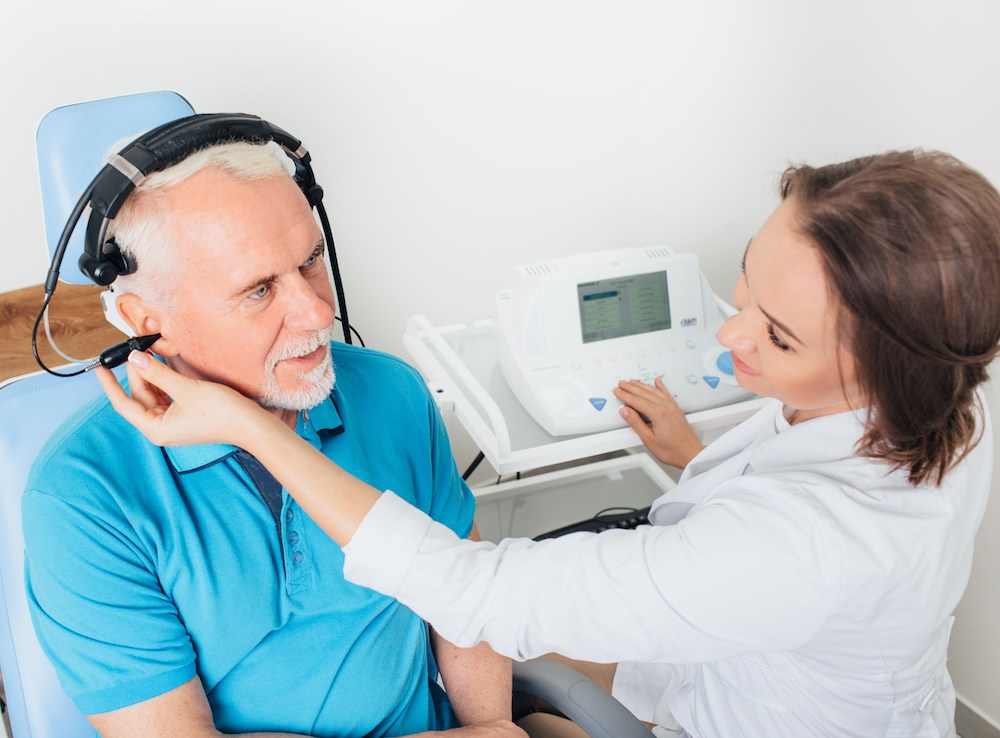
Working with an audiologist to create a personal hearing rehabilitation plan helps make your hearing care more effective and tailored to your needs. It allows you to focus on areas that matter most to you, whether at home, work or in social settings.

A personalized plan often includes several key steps:

  • Evaluating your current hearing and identifying situations that are most challenging.
  • Fitting and adjusting hearing devices to match your specific hearing needs.
  • Practicing communication strategies to improve understanding in different environments.
  • Using auditory exercises or listening training to help your brain process sound more efficiently.
  • Scheduling regular follow-ups to track progress and make adjustments as needed.

Using Lip Reading and Body Language to Support Hearing

Lip reading and body language can add helpful extra clues to what you hear, especially when sound alone is not clear.

When you look at someone’s face while they talk, you can often catch the shape of certain sounds like p, b and m, which all use the lips in different ways. Watching for eye contact, head nods and small pauses can also help you know when it is your turn to speak or when a new topic is starting.

Body language gives more context to the words you hear. A raised eyebrow, a shrug or a smile can change how a sentence is meant and help you fill in any missed words more accurately.

With steady practice using lip reading and body language together with your hearing devices and other strategies, communication can feel more easier and less stressful.

Training Your Brain to Understand Speech and Sound More Clearly

An audiologist can help you train your brain to process speech and sound more effectively through targeted strategies and exercises.

These techniques are designed to improve how your brain interprets the signals coming from your ears, making it easier to understand conversations and pick out important details in different environments. Training might involve focusing on distinguishing speech from background noise, recognizing changes in pitch or tone or following fast-moving conversations more accurately.

These exercises can be practiced during sessions with your audiologist and continued at home to reinforce your progress.

You might also learn strategies for listening in challenging situations, like breaking speech into smaller parts, paying closer attention to visual cues or practicing short listening exercises with recorded voices. This training helps your brain become more efficient at processing sound.

Staying Active in Conversations

Hearing rehabilitation focuses on giving you tools so conversations feel less tiring and more clear. With the right mix of hearing devices, listening practice, visual cues and simple changes at home and work, you can build a way of communicating that fits your life.

If you want support with hearing rehab strategies for better communication, schedule an appointment with an audiologist.

With an audiologist you can review where conversations feel hardest right now and create a plan that includes tools and training that match your goals. You can also ask about listening exercises, tinnitus management options and ways to involve family members, so everyone supports the same habits.