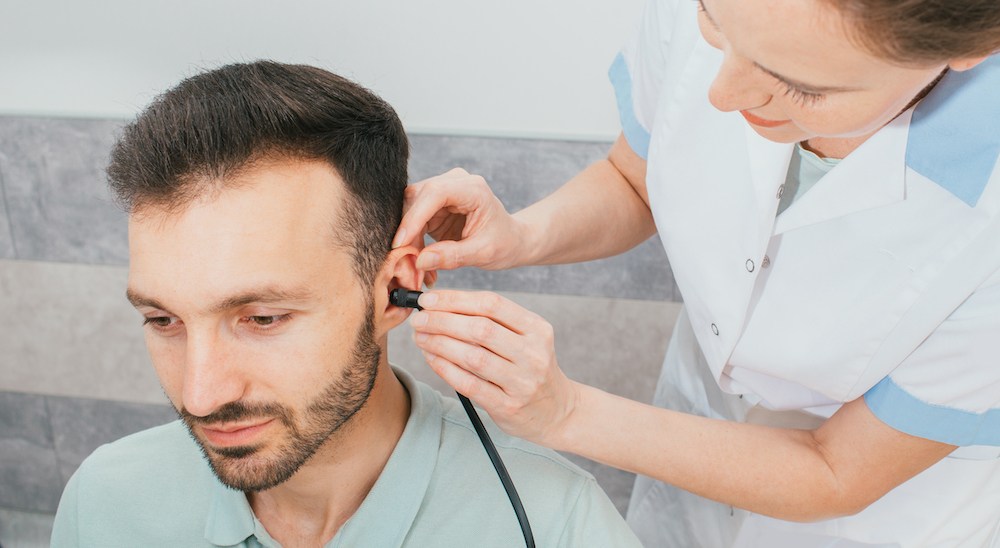
The first time you wear hearing aids, the experience often feels different than you expected. Sounds you’ve barely noticed for years may suddenly stand out again.
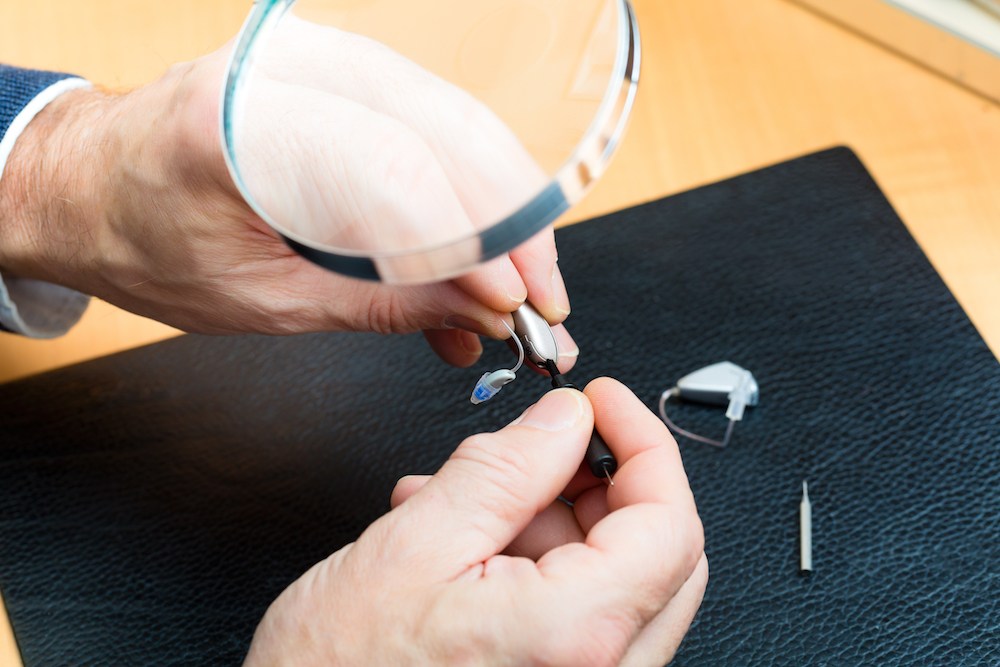
That doesn’t mean something is wrong with the devices or your hearing. It means your brain is getting used to hearing sounds it hasn’t processed the same way for a while. That adjustment takes time, and it’s a normal part of wearing hearing aids.

How Your Brain Gets Used to Hearing Sounds Again

Your brain does more than detect sound. It decides what each sound is, where it’s coming from and whether it deserves your attention.

When hearing loss limits the sound reaching your brain, it has less information to work with. Over time, sounds you haven’t heard clearly become less familiar.

When you begin hearing them again, your brain has to recognize and organize them instead of treating them as background noise. That’s why hearing can feel different at first, even when the sounds themselves have always been there.

Changes You May Notice in Your Own Voice and Noises

When you first wear hearing aids, you may notice your own voice and other sounds differently than you remember. Your ears are sending your brain information it hasn’t received clearly for a while, so familiar sounds may stand out more than you expect.

During the adjustment period, you might notice:

    • Your own voice sounds louder or fuller than you’re used to.
    • Footsteps, running water or dishes clinking seem more noticeable.
    • Paper rustling, keyboard typing or clothing moving catches your attention more than before.
    • Background sounds compete more with conversations until your brain gets used to sorting them again.

What to Expect During the Hearing Aid Adjustment Period

In louder places, conversations, background noise and movement all compete for your attention at the same time.

Your brain must decide which sounds matter in that moment and which it can ignore. That process becomes easier as your brain gets used to receiving more sound information again.

How Long It Usually Takes to Get Used to New Hearing Aids

Most people need several weeks to adjust to new hearing aids, although the exact timeline varies. You may feel more comfortable wearing them after the first week, but it often takes about two to four weeks before sounds begin feeling more natural.

If you’ve had untreated hearing loss for a long time or your hearing has changed significantly, the adjustment period may last longer. Your brain needs time to recognize sounds it hasn’t processed clearly and organize them into speech, background noise and other familiar parts of your environment.

Simple Daily Habits That Help Your Ears and Brain Adjust

Small routines give your brain repeated opportunities to process sound in different situations. Wearing your hearing aids regularly and exposing yourself to a variety of listening environments helps the adjustment process feel more natural over time.

Habits that support that adjustment include:

    • Wear your hearing aids for the amount of time recommended each day instead of only putting them on when you expect conversations.
    • Spend time in both quiet and moderately busy places so your brain experiences different listening situations.
    • Read a book, newspaper or magazine aloud to become more familiar with the sound of your own voice.
    • Have one-on-one conversations before spending time in larger groups with several people talking at once.
    • Keep your hearing aids clean and replace wax guards or filters as recommended so sound quality stays consistent.

When to Contact an Audiologist About Fit or Sound Concerns

If speech is still difficult to understand in places where you expected improvement, mention that as well. Those details help your audiologist decide whether the fit, programming or both need to be adjusted.

It also helps to notice where listening remains difficult. You may hear conversations clearly at home but struggle in restaurants, meetings or while riding in the car.

Those examples tell your audiologist much more than saying the hearing aids don’t sound right. They show which listening situations still create problems and provide useful information when fine-tuning your hearing aids.

What Adjustments Can Be Made?

Several adjustments can be made when hearing aids feel uncomfortable, unclear or too sharp during the adjustment period. Your audiologist may change the volume for certain pitches, since hearing loss doesn’t affect every sound the same way.

They may reduce sharp sounds, improve speech settings or change how the devices handle background noise. The physical fit can also be adjusted if the hearing aids feel loose, press on the ear or cause feedback.

These changes don’t mean the first fitting was wrong. They help fine-tune your hearing aids around how your ears, brain and listening needs respond after you start wearing them.

Getting the Right Adjustments for Your Hearing Aids

Getting used to hearing aids take more than putting new devices in your ears. Your brain needs time to work with sound it hasn’t received clearly for a while, and that adjustment happens a little differently for everyone.

Some listening situations begin to feel familiar sooner than others, so it’s normal for your experience to change over the first several weeks. The adjustment period also gives you and your audiologist a chance to learn how your hearing aids perform in your daily routine.

The places where conversations still feel difficult or certain sounds seem uncomfortable provide useful information for future adjustments. If you’re new to hearing aids and want to know about the adjustment period, schedule an appointment with an audiologist.