Many people have questions or doubts about hearing aids. Often, information from friends, family or the internet can be misleading. These misunderstandings may shape how you feel about seeking help for your hearing and can even delay your decision to take action.

When you hear uncertain or confusing claims about hearing aids, it can be difficult to separate fact from fiction. Some beliefs may discourage you from exploring options that could make your daily life easier and more enjoyable.

Understanding the real facts about hearing aids helps you make informed choices for your comfort and well-being. So, what are some of the common hearing aid myths and misconceptions?

Reasons People Believe False Information About Hearing Aids

People often believe false information about hearing aids because the topic can feel unfamiliar, and not everyone has direct experience with modern devices. Many myths come from outdated stories or older technology that no longer reflects what hearing aids can do today.

These misunderstandings can affect your choices, much like outdated beliefs about wearing glasses once did. Getting clear information from a trusted source can help you separate fact from fiction and make choices that fit your needs.

Hearing Aids are Only for Seniors

A common myth about hearing aids is that they are only for seniors. While hearing loss does become more common as people get older, it can affect anyone, including teenagers and young adults.

Noise exposure, genetics, infections and some medications can all contribute to hearing changes at any age. Because the early signs can be subtle, it is easy to assume hearing loss only happens later in life.

Another reason this misconception sticks around is that people often picture hearing loss as a problem that only develops over many years. But hearing changes can happen quickly or unexpectedly and they can affect your ability to follow conversations, do your job or enjoy social events.

Getting help early can make a big difference in how you communicate and stay involved in everyday activities.

Hearing Aids are One Size Fits All

A common misconception about hearing aids is that they are one size fits all, but that is not how modern devices work. Hearing aids are designed to match your specific hearing profile, which includes the type and degree of hearing loss you have and how your ears respond to different sounds.

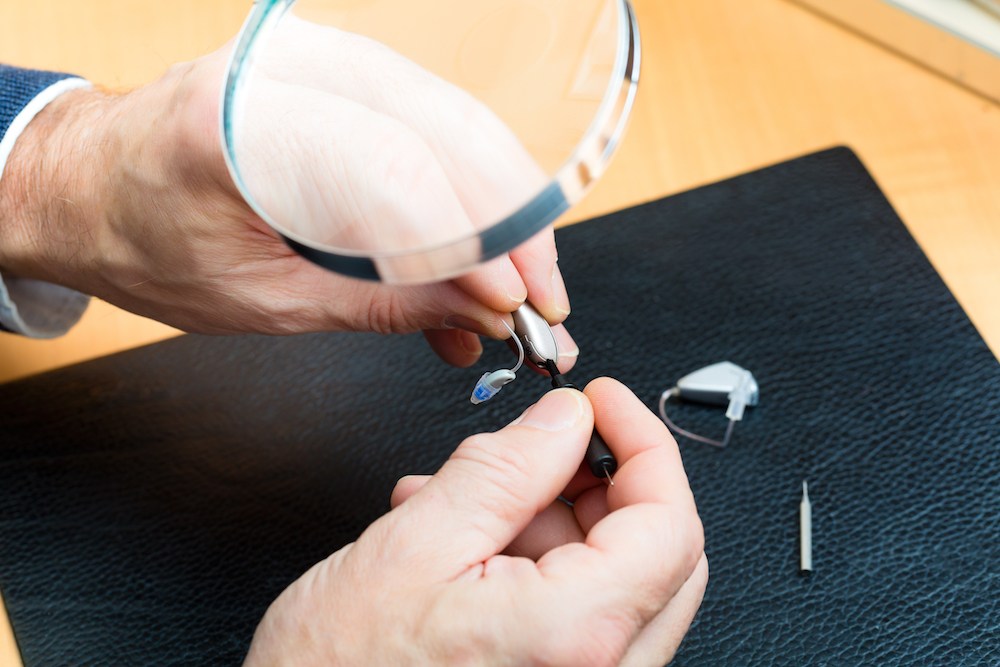
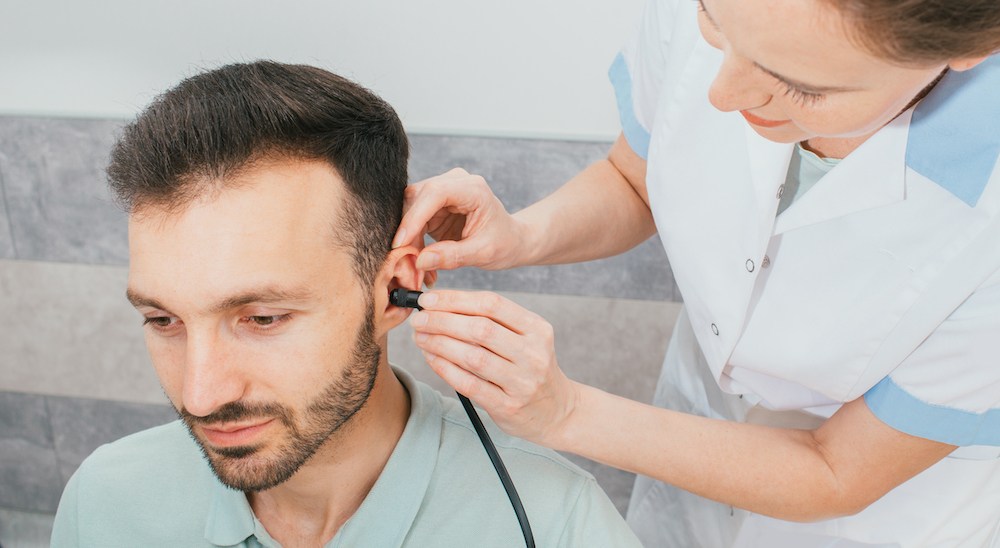
Two people can have the same general hearing issue but still need different settings or features to make the devices work well for them. An audiologist will customize the fit and programming, so the device supports your hearing in the situations you encounter most often.

The idea that one hearing aid works for everyone also ignores how individual listening needs can vary. Some people need extra help in noisy environments, while others may prioritize phone calls, music or conversations in small groups.

Lifestyle factors like your work environment, hobbies and daily routines also influence what kind of hearing support is most effective. Because of this, hearing aids are best seen as personalized tools that can be adjusted over time, not a single solution that fits every situation.

Hearing Aids are Large

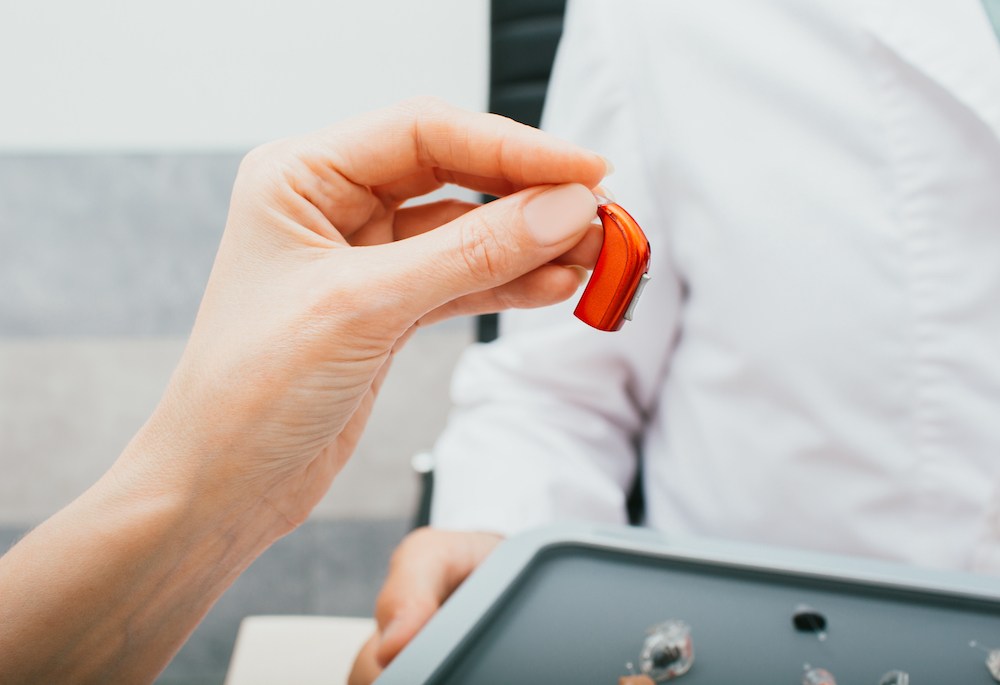
A common myth about hearing aids is that they are large and bulky, but that idea mostly comes from older models. Today’s hearing aids come in a wide range of sizes, and many are designed to sit discreetly behind or inside the ear.

Some styles are small enough to be barely noticeable, while still offering strong performance and helpful features. The size you choose often depends on your hearing needs, your comfort and the types of sounds you want the device to handle.

It is also worth noting that smaller hearing aids are not always the best choice for everyone. While compact devices can be more discreet, they may not fit all types of hearing loss or ear shapes and some people prefer a slightly larger model for easier handling and longer battery life.

The important point is that hearing aids are not one size fits all, and you can find a style that balances size with function. An audiologist can help you explore options and find a device that fits your lifestyle without compromising on performance.

Hearing Aids Can Restore Your Hearing

Many people believe that hearing aids can fully restore hearing, but this is a common misunderstanding. Hearing aids are designed to improve how clearly you hear by amplifying and shaping sound, not to bring hearing back to the way it once was.

The goal is to make speech and everyday sounds easier to understand, especially in situations that used to feel challenging. When expectations are realistic, hearing aids often feel more helpful and less frustrating.

Understanding what hearing aids can and cannot do allows you to get the most benefit from your devices.

You Don’t Need to Follow-Up with Hearing Aids

Some people believe that once hearing aids are fitted, no follow-up care is needed, but that is a common misunderstanding. Hearing aids work best when they are adjusted over time to match changes in your hearing and your daily listening needs.

As you get used to wearing them, you may notice certain sounds feel different or situations where small tweaks would help. Follow-up visits give you the chance to fine-tune settings, address comfort issues and ask questions as they come up.

Regular check-ins help ensure your hearing aids continue to support clear communication and remain a good fit for your life.

Moving Past Myths for Better Hearing Choices

Believing myths about hearing aids can prevent you from getting the support you need. Knowing the facts makes it easier to see that hearing aids are suitable for people of all ages and that today’s devices offer comfort, style and useful features.

If you have questions or want accurate information about hearing aids, schedule an appointment with an audiologist. They can answer your questions and guide you toward options that fit your lifestyle. Taking the time to learn what is true about hearing aids is an important part of caring for your hearing health.