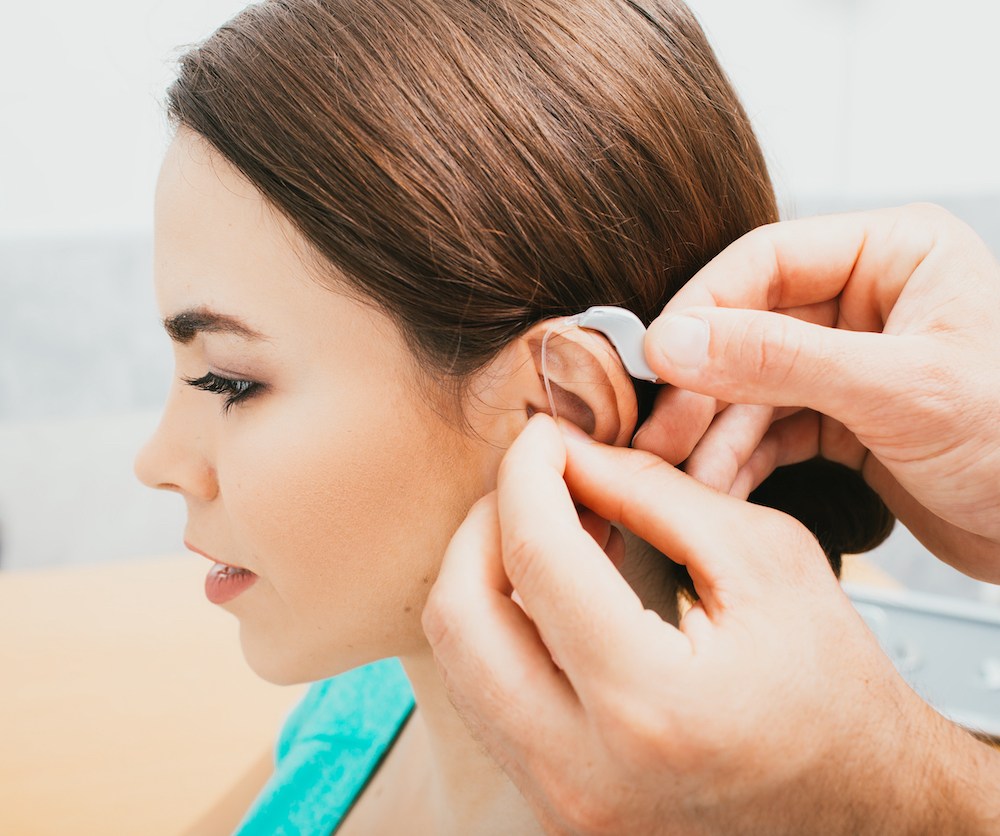
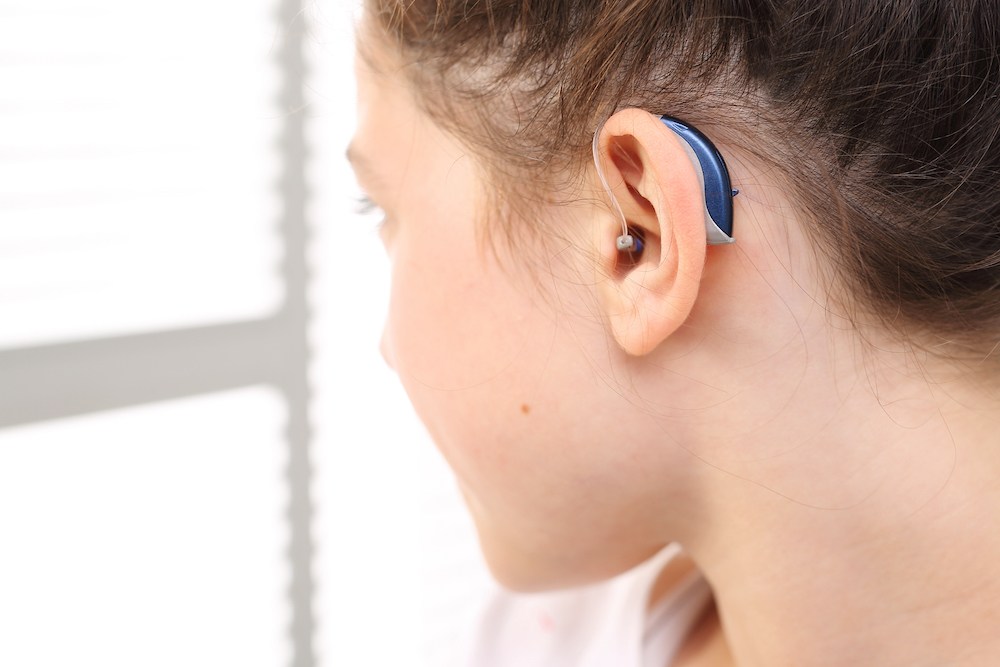
Many people notice hearing loss in one ear and wonder if both ears need hearing aids. It might seem like only the weaker ear needs support, especially if the other ear still seems to work well. This is a common question for those exploring options for better hearing.

Understanding how your ears and brain work together is key when thinking about treatment. Both ears are designed to pick up sounds from all directions and send signals to your brain. When only one ear receives support from hearing aids, it can affect how clearly you hear and make it harder to understand speech or figure out where sounds are coming from.

How Your Ears and Brain Work Together

Your ears do more than simply capture sound; they work with your brain to interpret and make sense of the world around you. Each ear collects information slightly differently, and your brain combines these signals to help you understand speech, locate where sounds are coming from and filter out background noise.

When both ears are functioning well, this creates a balanced and natural listening experience. Even if one ear seems to hear fine, it may still be missing subtle details that your brain relies on to process sound accurately.

When only one ear is supported by a hearing aid, your brain may not receive the full picture of the acoustic environment. This can make it harder to follow conversations in noisy spaces or to tell which direction a sound is coming from.

Wearing hearing aids in both ears ensures that your brain receives clear, balanced input from each side. This coordination helps reduce listening effort and mental fatigue, making it easier to stay engaged and understand what is happening around you.

Balanced Hearing Makes Daily Activities Easier

Balanced hearing can make daily tasks less stressful. When both ears work together, it is easier to hear conversations, follow directions and notice important sounds.

Simple activities like talking on the phone or watching TV often feel more comfortable with balanced hearing. Even walking outside or shopping becomes smoother because you can better tell where sounds are coming from.

Supporting both ears gives your brain the information it needs to keep up with everyday life. Balanced hearing helps you stay active and confident in the things you enjoy.

Better Enjoyment of Music and Entertainment

Hearing with both ears can improve your experience with music, movies and other entertainment. When sound is picked up by both ears, you can enjoy a fuller, richer sound quality.

Stereo sound in most music and television programs is designed for two ears. Wearing two hearing aids allows you to notice more details in songs and dialogue, making these activities more enjoyable.

With support for both ears, you may also find it easier to follow along with fast-paced shows or group conversations on screen. This can help you feel more included during your favorite activities.

Social Connections Are Stronger with Two Hearing Aids

Wearing two hearing aids can help you stay connected with friends and family. Group conversations often happen in busy places with lots of background noise. With support for both ears, it is easier to hear what others are saying and join in without feeling left out.

This can make social gatherings more comfortable. You may feel more confident meeting new people or taking part in community events. Stronger social connections also support your overall well-being.

Difficulties That Come with Wearing Only One Hearing Aid

Using only one hearing aid can make some things more difficult in daily life. You may notice:

  • Trouble telling where sounds are coming from.
  • More effort needed to understand speech, especially in noisy places.
  • Feeling left out of group conversations.
  • The ear without a hearing aid may get weaker over time.
  • Listening can feel tiring or stressful.

Locating Where Sounds Come from Matters for Safety and Comfort

Being able to tell where sounds come from is important for both safety and comfort. When both ears work together, your brain can quickly tell if a sound is coming from the front, behind or to the side.

This skill helps you react faster to things like approaching cars or someone calling your name. To improve your ability to locate sounds, try practicing in different environments like at home or outside by closing your eyes and having a friend make noises from various directions.

If you notice trouble with sound direction, talk with an audiologist about options that support both ears for better awareness and peace of mind.

Supporting Both Ears May Help Prevent Further Hearing Loss

Supporting both ears with hearing aids may help prevent further hearing loss. When both ears receive sound signals, each ear stays active and continues sending information to the brain.

This regular use can help keep the hearing pathways strong and may reduce the risk of the weaker ear getting worse over time. Supporting both ears can lead to better long-term hearing health, clearer communication and an easier time staying connected with others.

Discussing the Best Choices with an Audiologist

Talking with a local audiologist can help you understand which hearing aid options fit your needs best.

They will look at your hearing test results, discuss your daily activities and answer any questions you have. This conversation helps you feel comfortable and confident in making the right choice.

Some advantages of meeting with an audiologist include getting expert advice, learning about different devices and having support through the process.

Choosing Two Hearing Aids Supports Better Hearing Every Day

Supporting both ears with hearing aids can make a noticeable difference in how well you hear and connect with others.

Even if one ear seems fine, giving both ears the help they need allows your brain to work at its best. This approach can make conversations clearer, daily activities easier and may even help prevent further hearing loss.

If you have questions about what is right for you, schedule an appointment with an audiologist. Taking this step helps you get the most out of your hearing care and enjoy better communication each day.