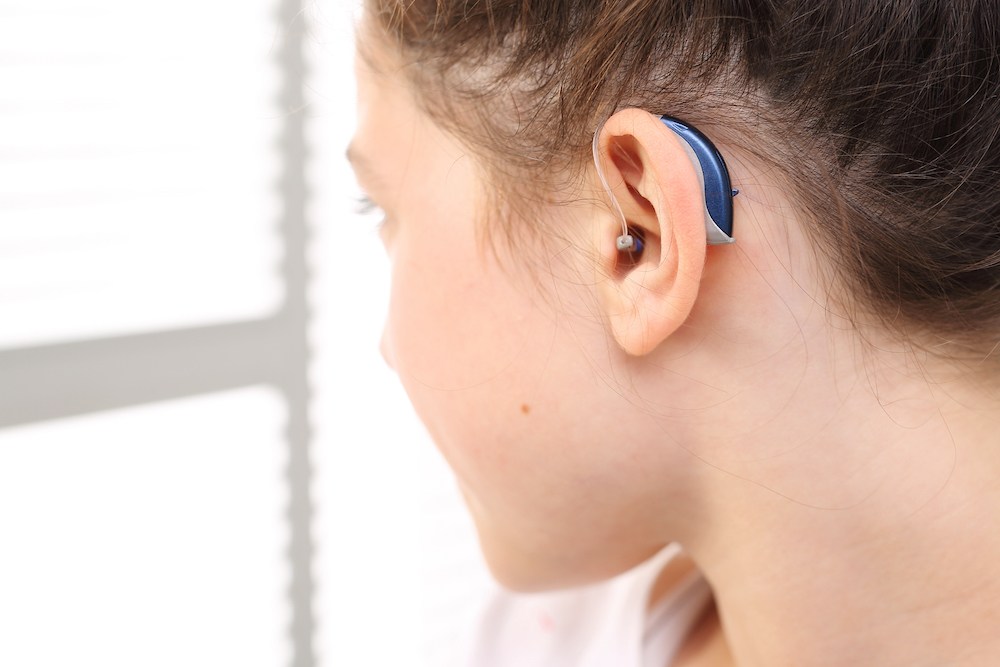
Getting new hearing aids is an important step toward addressing hearing loss, but the period of adjustment that follows can take time. It is common for people to assume their hearing will improve instantly, yet the brain often needs a chance to adapt to sounds that may have been unclear or absent for years. During this, individuals may notice changes in how everyday noises sound, shifts in volume or the new physical feeling of wearing the devices.

An audiologist plays a key role in this process by making adjustments and offering guidance as needed. The first several weeks after a fitting are particularly useful for recognizing what feels comfortable and what may require fine-tuning. With steady support and practical expectations, many people gradually adjust and begin to notice meaningful improvements in communication and overall daily interactions.

What to Expect During the First Weeks with New Hearing Aids

The first weeks with new hearing aids often involve a period of adjustment where everyday sounds may feel sharper, louder or simply different from what you remember. Common noises, like footsteps, dishes clinking or traffic, might stand out more than expected at first. This happens because your brain is relearning how to process sounds it has not picked up clearly in some time. It can take patience to get used to these changes, and regular follow-up visits with your audiologist are helpful for making small adjustments that improve comfort and clarity. Over time, most people find that these early challenges give way to a more natural listening experience that makes daily communication easier.

Noticing Everyday Sounds that May Seem Different at First

Sounds like a ticking clock, birds outside or running water might seem louder or sharper than you remember. While this can be surprising or distracting at first, it’s a normal part of getting used to your hearing aids as your brain relearns these everyday noises.

Common Challenges During the Adjustment Period

One of the most common challenges during the adjustment period with new hearing aids is becoming accustomed to the sudden return of everyday sounds. Noises that may have faded into the background, like rustling paper, running water or the hum of appliances, can feel distracting. Many people also notice that their own voice sounds different, which can take time to get used to. These changes are not signs that the devices are failing, but rather that the brain is reintroducing itself to a fuller range of sound.

Another difficulty some people face is learning to balance comfort with clarity. Hearing aids may feel unfamiliar in the ear and wearing them for long periods can take practice. Conversations in noisy places may still be challenging in the beginning, as the brain learns how to separate speech from background noise. Follow-up appointments with an audiologist are important during this stage, since small adjustments can make a big difference in comfort and performance. With consistent use and realistic expectations, most people gradually find that these obstacles lessen as listening becomes more natural.

Managing Discomfort and Sensations in Your Ears

Some discomfort or new sensations in your ears are normal when you start wearing hearing aids. Your ears need time to get used to having something in or around them each day. Mild itching or pressure is common at first, but this usually goes away as you wear your hearing aids more often. If you feel pain, redness or ongoing discomfort, let your audiologist know so they can check the fit and make adjustments if needed.

Caring for Your Hearing Aids Each Day

Daily care helps your hearing aids work well and last longer. Clean your devices with a soft, dry cloth and check for earwax or debris that could block the microphone or speaker. Store your hearing aids in a dry place when not in use, and keep them away from water or extreme heat. Regular care keeps your hearing aids in good shape and helps prevent problems that could affect how well you hear.

Simple Steps for Putting in and Taking Out Your Hearing Aids

When putting in your hearing aids, make sure your hands are clean and dry. Hold the device by its main body, not the tubing or wire and insert it following the shape of your ear. To take them out, gently pull on the outer part without twisting or forcing it. Always store your hearing aids in a safe, dry place when not in use.

Finding the Right Volume and Settings for Your Needs

Getting the right volume and settings is important for comfort and confidence in daily life. It’s normal to need a few adjustments, everyone’s needs are different.

Some places, like busy restaurants or quiet rooms at home, may need different volume levels or settings. Use the controls on your hearing aids as needed. If you’re unsure which settings work best, talk with your audiologist. With some practice, you’ll learn what works best for your listening needs.

Improving Listening Skills in Various Places and Situations

Practicing listening in different places helps you feel more comfortable with your new hearing aids. Each environment has its own sounds, so it’s helpful to try listening in a variety of situations. Try these tips to build your listening skills:

  • Practice listening in quiet rooms before moving on to busier places like restaurants or stores.
  • Ask people to speak clearly and face you during conversations.
  • Limit background noise when possible, like turning off the TV or radio during important talks.
  • Take breaks if you start to feel tired by too much sound.

Understanding When to Reach Out to Your Audiologist

If your hearing aids cause discomfort, aren’t working as expected or if you have questions about fit or sound, talk with your audiologist. Many people wonder if their concerns are serious enough to ask for help. It’s always better to reach out early, your audiologist can check your devices, answer questions and make any needed adjustments so you get the best results from your hearing aids.

Moving Forward With Confidence

Adjusting to new hearing aids takes time and support. Each step helps your brain and ears work together to make sounds clearer and more comfortable. Practicing good habits each day can make this period easier.

If you have questions or notice anything unusual as you get used to your hearing aids, scheduling an appointment with an audiologist can help. Getting the right support makes it easier to find the best settings for your needs and address any concerns early on. With regular care and practice, you can enjoy better hearing in all parts of your daily life.