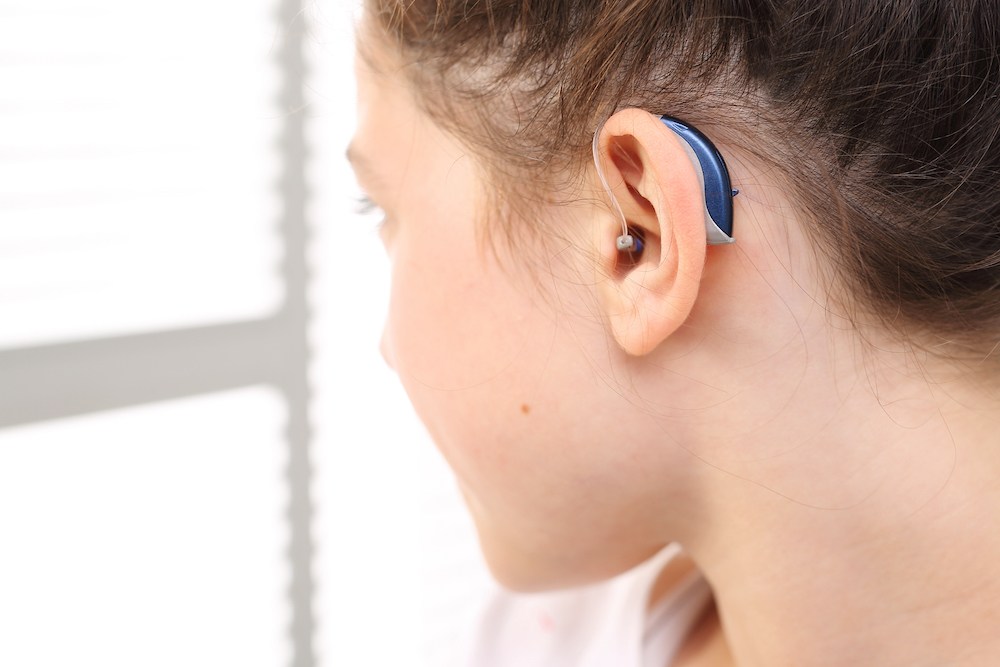
If you have hearing loss in both ears, you might be wondering whether using two hearing aids instead of one really matters. Many people consider this option and want to know if there are real benefits to wearing two hearing aids.

Binaural hearing aids are designed so both ears work together, helping you experience sound more naturally. This can make it easier to understand speech, especially when background noise is present.

When both ears receive sound at the same time, your brain can process what you hear more accurately. This helps with conversations and improves your ability to recognize where sounds are coming from in your environment.

Understanding how binaural hearing aids work can help you decide if they fit your needs and lifestyle.

How the Ears and Brain Work Together for Clearer Hearing

Hearing is not just about the ears picking up sound.

The ears collect sound waves and turn them into signals, but it is the brain that gives those signals meaning. Once sound enters the ear, it is changed into electrical information that travels to the brain.

The brain then sorts through those signals, helping you recognize speech, identify familiar voices and understand where sounds are coming from. This allows you to follow conversations and stay aware of your surroundings.

Clear hearing depends on how well the ears and brain work together. Even when sounds reach the ear, the brain must decide what is important and what can be ignored, like background noise in a busy room.

When either the ears or the brain do not receive clear information, understanding speech can become more difficult. Supporting both ears helps improve how sound is processed, making every day listening more comfortable and less tiring.

Comparing the Experience of One Hearing Aid Versus Two

Choosing between one hearing aid and two can noticeably affect how you hear and interact with your surroundings. Relying on a single device may limit how well sounds come together, making it harder to pick up speech from different directions.

In conversations with multiple people or in louder spaces, you may find yourself focusing more closely to keep up. While one hearing aid can provide support, it may not fully reflect how sound is naturally processed by both ears.

Using two hearing aids allows sound to be shared between both ears, creating a more even and natural listening experience. Many people report improved awareness of their environment and greater ease during conversations, particularly in places with background noise.

Listening often feels less tiring, and speech can be clearer without as much effort. For everyday activities, wearing two hearing aids can help create a more consistent and comfortable way to stay connected.

Better Speech Understanding in Noisy Environments with Binaural Hearing Aids

One of the main reasons people choose binaural hearing aids is for improved speech understanding in noisy environments. When both ears are supported, your brain can focus on important sounds and filter out background noise more effectively.

Some benefits of binaural hearing aids in busy places include:

  • Easier separation of speech from background noise.
  • Improved awareness of where voices are coming from.
  • Reduced listening effort during conversations.

Less Listening Effort and Reduced Mental Fatigue Wearing Binaural Devices

Listening can feel easier and less tiring with two hearing aids, especially in challenging environments.

When both ears work together, your brain does not have to work as hard to fill in missing sounds or guess what people are saying. This support helps you stay focused during conversations and reduces the tiredness that can come after long periods of listening.

Improved Balance and Safety

Wearing binaural hearing aids can support better balance and overall safety in everyday life. When both ears receive sound, the brain has more accurate information about what is happening around you, including where sounds are coming from.

This can make it easier to stay aware of your surroundings while walking, driving or moving through busy spaces. With clearer awareness of environmental sounds, many people feel steadier during daily activities, which can reduce uncertainty and help support safer movement throughout the day.

Wider Range of Hearing Environments Supported

With binaural hearing aids, you may find it easier to move between quiet and noisy spaces without needing to adjust settings often.

Many systems automatically adapt based on your surroundings, helping keep speech clear whether you are at home, outside or in a busy store. This flexibility supports a smoother listening experience throughout your day.

Long-Term Benefits for Hearing Health

Using two hearing aids instead of one may support your long-term hearing health. Keeping both ears active with sound input helps maintain the pathways between your ears and brain.

Ongoing stimulation can reduce the chance that an unused ear becomes less responsive over time. Staying engaged with sound may also help preserve your ability to understand speech and enjoy social activities in the future.

How to Talk with an Audiologist About Binaural Hearing Aid Options

When discussing binaural hearing aid options with an audiologist, share details about your daily listening needs and any difficulties you face in certain places. Being open about where you struggle to hear, like in groups or noisy environments, helps to suggest devices that fit your lifestyle.

Ask questions about how two hearing aids can support clearer sound and easier communication for you. This conversation can help you know what to expect and feel more confident about choosing the best solution for your needs.

Choosing Binaural Hearing Aids For Better Everyday Listening

Binaural hearing aids can make a noticeable difference in your daily life by helping you hear more clearly and comfortably.

With both ears working together, it becomes easier to follow conversations, recognize where sounds are coming from and stay alert in busy or noisy places. Many people also notice less listening effort and feel less tired at the end of the day when using two devices instead of one.

If you are interested in learning more about how binaural hearing aids could support your needs or want to explore your options, schedule an appointment with an audiologist. They are here to answer your questions and help you make informed choices about your hearing care.