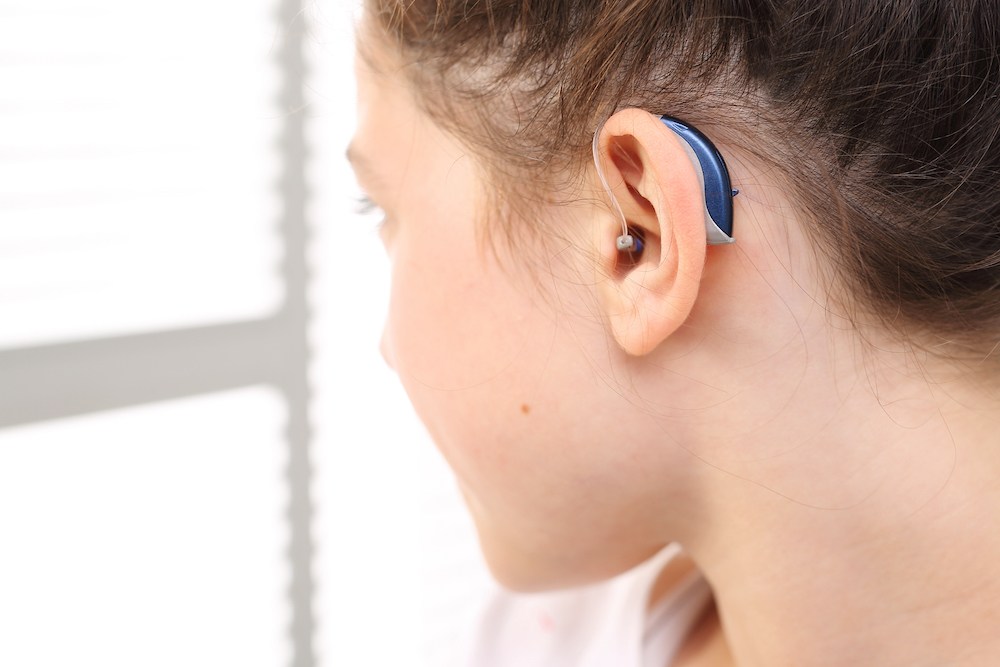
Everyone’s experience with hearing aids is unique, as daily environments can vary widely from quiet rooms at home to noisy restaurants or time spent outdoors. What you need to hear may change depending on where you are and the activities you’re doing.

Selecting appropriate hearing aid settings for different situations can improve how well your device performs. For instance, a setting that works well during a family meal might not be ideal for watching television or walking outside. Using the right program for each environment can help make sounds clearer and conversations easier to follow, allowing you to stay engaged in a variety of settings.

How Hearing Aid Programs Work

Hearing aid programs are built-in settings that change how your hearing aids pick up and process sounds in different places. Each program is made for a certain type of environment, like a noisy room, a quiet area or listening to music. When you switch to a different program, your hearing aids adjust things like volume and background noise control to help you hear better in that moment.

Many hearing aids today let you change programs with a button or an app on your phone. Some can even switch automatically when they notice changes around you. Using the right program for each activity can help you hear more clearly and with less effort, making it easier to join conversations and enjoy what’s happening around you.

How Your Listening Needs Change in Different Places

Sound environments can be very different as you go through your day. At home, things might be quiet, making it easier to hear soft voices or the TV. In a busy restaurant or at a family gathering, background noise and several people talking at once can make it tough to focus on one conversation.

Your hearing needs change depending on where you are. In quiet places, you may want your hearing aids to pick up softer sounds. In noisy spots, reducing background noise can help you understand speech better. Adjusting your hearing aid settings for each place helps you hear more clearly and stay in touch with the people around you.

Customizing Hearing Aids for Everyday Activities and Hobbies

Daily activities and hobbies often come with their own listening needs. With the help of an audiologist, you can create specific settings that focus on what matters most in different situations, like clearer speech during group conversations or reduced wind noise while walking outside. These customized programs allow your hearing aids to respond differently depending on where you are and what you’re doing. Whether you enjoy listening to music, working in quiet spaces or spending time in busy places, your hearing aids can be programmed to support each activity. This kind of personalization helps your devices work more effectively throughout the day.

Making Group Conversations Easier with the Right Program

Group conversations can be challenging, especially when there’s background noise or several people talking at once. Hearing aids can be programmed with a feature called a speech-in-noise setting, which helps reduce distractions from surrounding sounds. This type of program focuses on speech in front of you and lowers the volume of other noise coming from the sides or behind. It can make it easier to follow along in group settings like family dinners, social events or meetings where voices tend to overlap.

Using a program like speech-in-noise helps your hearing aids respond more effectively in busy environments. Instead of trying to process every sound in the room, your devices prioritize the voices that matter most. This can reduce the strain of trying to listen in loud places and make conversations feel more natural. If group situations are difficult for you, your audiologist can adjust your settings or create a custom program to improve your experience. With the right support, staying engaged in conversations can feel more manageable.

Setting Up Your Hearing Aids for Outdoor Activities

Outdoor environments come with unique sounds that can sometimes make listening more difficult, like wind, traffic or shifting background noise. To make the most of your time outside, hearing aids can be adjusted to better handle these conditions. A specialized outdoor program can reduce wind interference while still allowing important sounds, like voices or nearby activity, to come through clearly. This kind of setup helps create a more natural listening experience without the distraction of sharp or uneven noise changes.

If you spend time walking, biking or meeting friends in outdoor spaces, it may be helpful to have your hearing aids programmed with settings suited to those situations. Many modern hearing aids can store different listening profiles that you can switch between depending on where you are. Your audiologist can guide you through creating or fine-tuning these programs based on your habits and preferences. With the right adjustments, your hearing aids can help you stay more aware and connected during your favorite outdoor routines.

Adjusting Hearing Aid Programs for Work and School

Work and school often have their own listening needs. In offices or classrooms, you might need to hear both conversations and announcements. Places with many people talking can make it hard to focus on one voice. Many hearing aids have programs made for meetings or lectures that help make speech clearer and lower distracting background noise. If you spend a lot of time at work or school, talk with your audiologist about creating a program that fits these places. The right changes can help you feel more confident during discussions and group work.

Working with an Audiologist to Personalize Your Hearing Experience

Working together with an audiologist can help your hearing aids fit better into your daily routine. By sharing details about your habits and the places you go, your audiologist can adjust your devices for better comfort and clarity. Let your audiologist know if certain sounds seem too loud or too soft. Even small changes in volume or noise control can make a big difference. It helps to bring notes about times when hearing was difficult so your audiologist can use this information during your visit. This helps create settings that match what you need most at home, work or during social events.

Tips for Testing and Fine-Tuning Your Hearing Aid Programs

After your hearing aid programs are set up, it’s a good idea to practice in different settings, like crowded places, outdoor areas or your workplace. Pay attention to how clearly you hear speech and how background sounds are handled. If anything seems off or uncomfortable, make a note of it. Sharing this feedback at your next appointment can help your audiologist adjust the settings to better fit your needs. Trying out each program and making small updates over time can improve how your hearing aids work in everyday situations.

By working with an audiologist and trying out different programs, you can get the most out of your hearing aids each day. Customizing your settings helps you stay comfortable and connected in all the places that matter most to you. If you want to learn more about hearing aid programs, schedule an appointment with an audiologist.