Hearing plays a steady role in how you communicate, stay aware of your surroundings and take part in everyday life.
Small changes in hearing can make conversations harder to follow, affect how safe you feel in busy settings and slowly influence how connected you feel with family and friends. When you notice changes in your hearing, finding the right support is essential for staying connected to daily life and the people around you.

Audiologists focus on helping you understand what is happening with your hearing and how it may be affecting your routine. Taking steps to check your hearing is a simple, proactive way to support communication, safety and overall quality of life.

What is an Audiologist?

An audiologist is a healthcare professional who focuses on hearing, listening and how people process sound in everyday life.

Their role centers on understanding how hearing works and how changes in hearing can affect communication, balance and daily activities. Audiologists work with people of all ages, from children to older adults and support those who may notice changes in how they hear or interact with their sound environment.

In addition to their clinical training, audiologists serve as a resource for education and guidance related to hearing health. They help people better understand their hearing concerns and how those concerns may influence work, social situations and overall well-being.

Focusing on long-term hearing health and awareness, audiologists play an important part in helping individuals stay informed and supported as their hearing needs change over time.

How Audiologists Check for Hearing Loss

Audiologists check for hearing loss by starting with a clear picture of how you experience sound in daily life. They ask questions about situations where listening feels easier or more difficult, like conversations at work or in social settings.

This discussion helps them understand patterns, concerns and changes you may have noticed over time. It also provides important context for how hearing is affecting communication and daily activities.

They also look at how the ears and hearing system are functioning as a whole. This includes observing how sound is received and processed, as well as how hearing supports balance and awareness of your surroundings.

With this information, audiologists can determine whether hearing changes are present and how they may be influencing everyday listening. This approach focuses on understanding your hearing in a practical, real-world way.

Common Tests Used During Hearing Evaluations

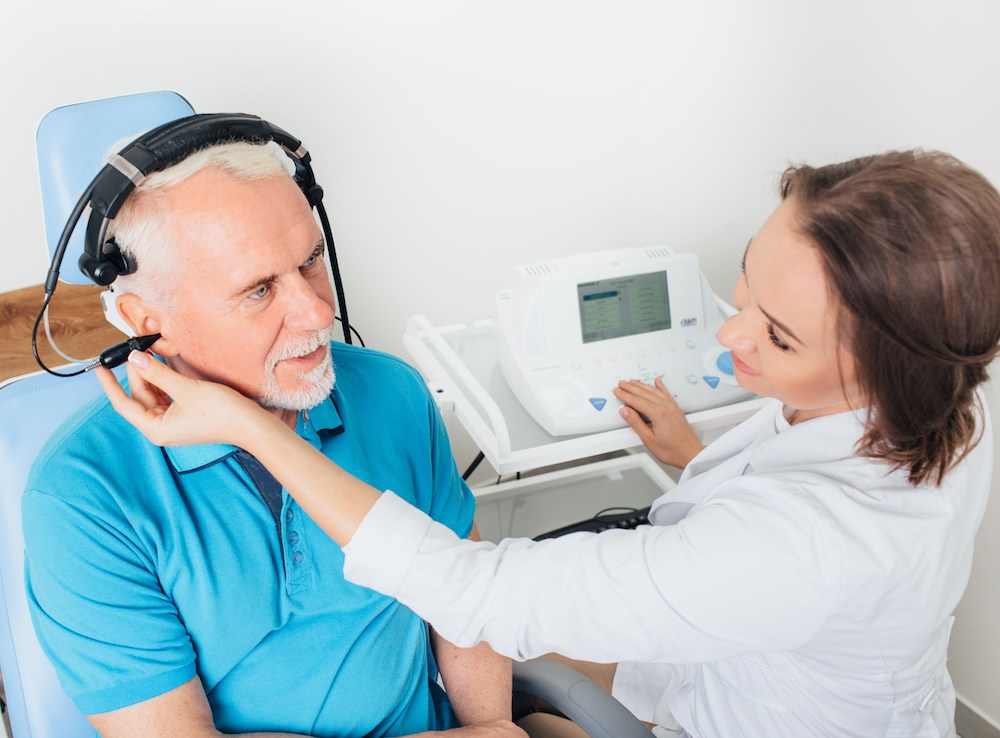
During a hearing evaluation, audiologists use several specific tests to understand how well you hear different sounds. One common test measures how softly you can hear tones at various pitches, which helps show how your ears respond across a range of sounds.

Another test focuses on speech understanding by asking you to listen to and repeat words or sentences at different volume levels. These tests help explain how clearly you hear both simple sounds and everyday speech.

Audiologists may also use tests that check how the middle ear is working by measuring how the eardrum moves in response to changes in air pressure. This can provide useful information about how sound travels through the ear.

Some tests are used to see how the inner ear responds directly to sound. Together, these evaluations give a detailed view of hearing ability and help audiologists understand how hearing functions in real-world situations.

Steps to Create a Plan That Fits Your Needs

Creating a plan that fits your needs begins with understanding how hearing affects your daily life. An audiologist takes time to listen to your concerns, routines and communication goals so recommendations feel practical and relevant.

Factors like work demands, social activities and listening environments are all considered when finding the right treatment for you. This personalized approach helps ensure that hearing care feels manageable rather than one size fits all. The goal is to support your hearing in ways that align with how you live and what matters to you.

How Audiologists Help with Choosing and Adjusting Hearing Aids

Choosing the right hearing aids is an important part of improving your hearing. An audiologist takes the time to explain different devices and their features, so you feel comfortable with your options.

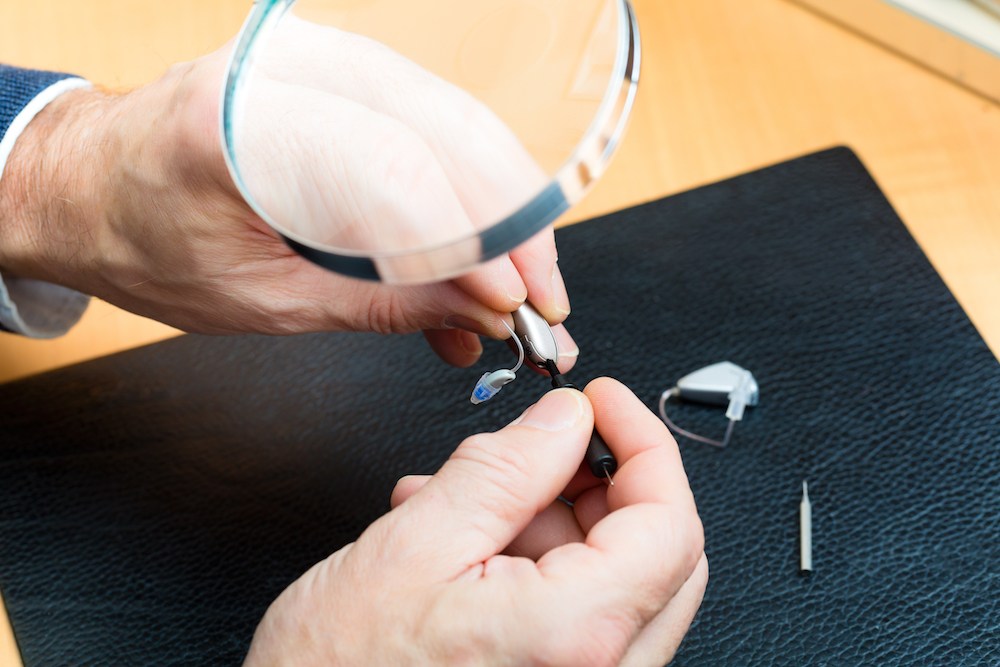
Once you select a device, they adjust it for a proper fit and set the sound levels for your comfort. Follow-up visits are often scheduled to ensure your hearing aids are working well and to address any concerns quickly.

Working with an audiologist offers several benefits, including expert advice, custom adjustments and ongoing support.

Support and Education Provided Throughout Your Care

Support and education are an important part of the approach. You can expect clear answers to your questions and straightforward information throughout each stage of care.

To get the most out of each visit, consider writing down questions ahead of time or bringing a friend or family member for support. Ask about resources like printed guides or local classes that can help you learn more about using your devices and protecting your hearing. Staying informed gives you greater confidence in managing your hearing health.

Signs That You Should See an Audiologist

Certain signs suggest it may be time to schedule a visit with an audiologist. If you often ask people to repeat themselves or notice voices sound muffled, these could be early indicators.

Turning up the TV volume more than before or having trouble following group conversations are also common signs. If friends or family mention changes in your hearing, consider making an appointment for a check-up with an audiologist.

The Value of Working with an Audiologist

An audiologist is dedicated to guiding you through every stage of your hearing care. With the right tests, clear explanations and ongoing support, they help you choose solutions that fit your needs and lifestyle.

If you have noticed changes in your hearing or want to learn more about your options, reaching out for support can help you stay connected and engaged in daily life. Taking action today can lead to better hearing health and improved well-being. If you want to learn more about your hearing health, schedule an appointment with an audiologist.