Looking after your ears and hearing devices plays an important role in your overall comfort and hearing health. Whether you wear hearing aids full-time or only in certain situations, small habits can make a big difference in how well they work and how comfortable they feel. Simple steps like keeping your devices clean and dry or storing them properly at night help prevent problems before they start. Regular care also helps you get the most out of your devices over time. Hearing aids are built to support your everyday communication needs, but they need proper handling to stay reliable. So, how do you maintain your ear health with hearing aids?

Why Caring for Your Ears Matters When You Use Hearing Devices

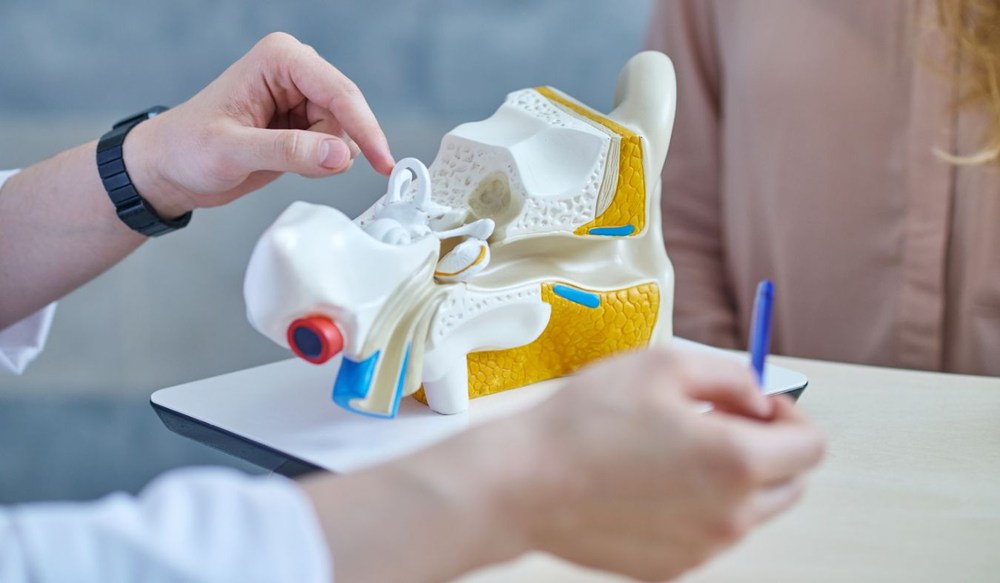
Taking good care of your ears is important when you use hearing devices because healthy ears provide the best environment for your device to work properly. If your ears become irritated or blocked by wax buildup, it can cause discomfort like itching or soreness, which may make it harder to wear your hearing aids consistently. In some cases, untreated irritation can lead to infections that not only affect your ear health but also interfere with how well your device performs.

Regularly maintaining clean ears helps ensure that your hearing devices deliver clear and consistent sound. Earwax or debris can block the path of sound or cause buzzing and feedback in your devices, which reduces the effectiveness of your device. By gently cleaning your ears and keeping an eye on any changes in how your ears feel, you can avoid many common problems. This care supports both your comfort and the quality of your hearing experience.

Common Ear Problems When Wearing Hearing Devices

Using hearing devices may sometimes bring up a few common ear concerns, but with proper care, these can usually be managed easily. For example, the presence of earwax might affect how well your device functions, so keeping the ear canal clear is important. Moisture from everyday activities like exercise or weather changes can also create a different feeling in your ears, but this is often temporary and can be addressed with simple care routines.

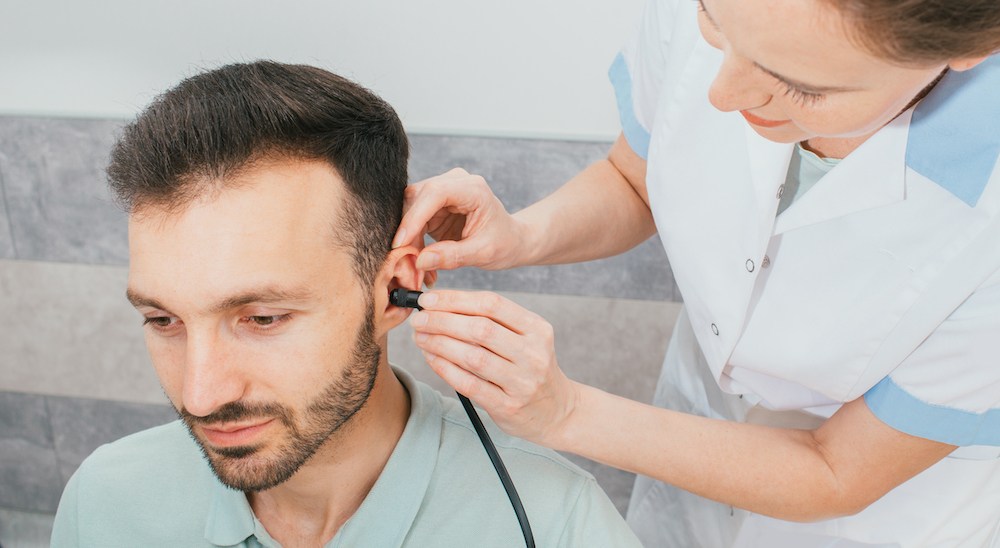
Another issue that can arise is mild pressure or sensitivity where the device rests on your ear. This can happen if the fit isn’t quite right or if the device is worn for long periods without breaks. Making small adjustments or working with your audiologist to find the best fit can help keep your ears comfortable. By staying aware of these common experiences, you can maintain healthy ears and enjoy better performance from your hearing devices.

The Effects of Moisture and Earwax on Your Ears and Devices

Moisture and earwax can cause trouble for both your ears and hearing devices. Water from sweat, rain or steam can get inside a hearing device and affect how it works or even stop it from working at all. Keeping devices dry helps avoid these issues. Earwax can block sound and make modern hearing devices less effective if it builds up. Regular cleaning of your ears and devices helps prevent this and keeps everything working as it should.

When to Replace Parts of Your Hearing Device

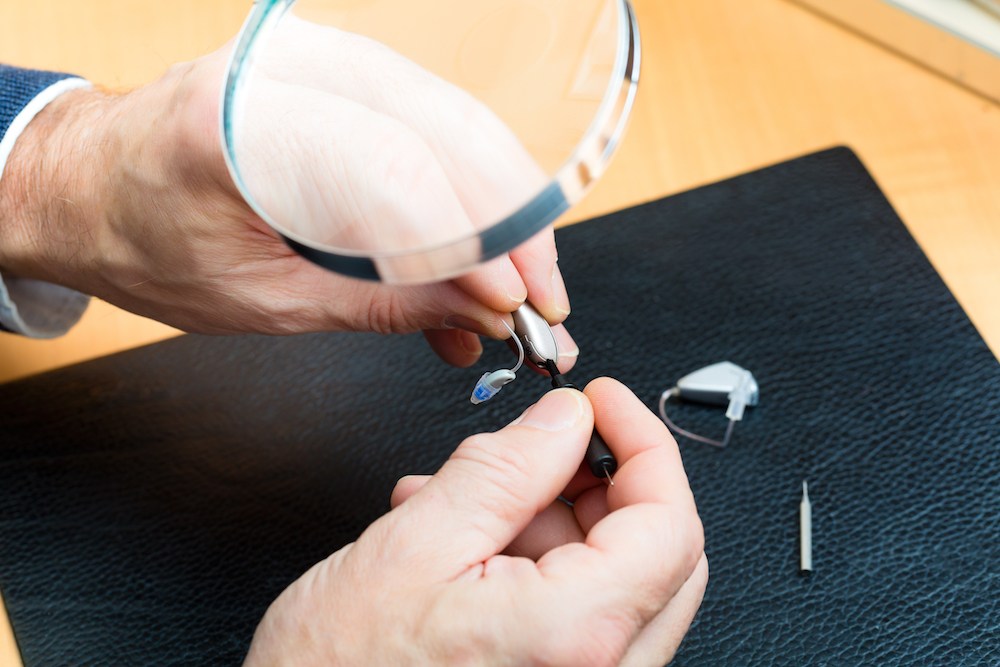
Even with good care, some parts of your hearing device will need to be replaced now and then. Wax guards, domes and tubing can wear out or get blocked, which affects sound quality and comfort. Many audiologists suggest checking these parts every month and replacing them as needed. If you notice changes in how your device sounds or feels, it might be time to change these parts. Fresh parts help your device work better and support healthy ears.

How Often Should You Clean Your Hearing Device?

Regular cleaning helps keep your hearing device comfortable and working well. Most audiologists recommend wiping it down every day and giving it a deeper clean about once a week. This removes earwax, dust and moisture that can collect over time. A quick daily wipe only takes a minute or two and can help stop problems like muffled sound or skin irritation. For weekly cleaning, use a soft cloth or the small tools that come with your device. Sticking with this routine helps your device work as it should when you need it.

Tips for Handling and Storing Your Hearing Devices

How you handle and store your hearing devices matters. Always use clean, dry hands when putting in or taking out your device to avoid getting dirt or oils on it. When you’re not wearing your hearing device, store it in a protective case or a dry box made for hearing devices to keep it safe from dust, moisture and drops. Keep your device away from heat, sunlight and water – don’t leave it in the bathroom or near sinks. If you take out your device overnight, leave the battery compartment open to let any moisture dry out. These habits help keep your hearing devices ready for use each day.

Simple Habits That Support Healthy Ears Over Time

Taking short breaks from wearing your hearing aids at night can help your ears stay healthy. Just like the rest of your body, your ears benefit from having time to rest. Removing your devices before bed allows air to reach the skin in and around your ears, reducing moisture and giving your ears a chance to recover from the pressure of wearing aids all day. This small habit can help prevent irritation and improve overall comfort the next day.

Another simple way to protect your ears is to avoid putting objects in them, even for cleaning. Cotton swabs, for example, can push wax deeper or cause small injuries inside the ear canal. Instead, stick to cleaning only the outer part of your ear with a soft cloth. These everyday choices might seem minor, but they make a big difference in keeping your ears healthy over time. Being consistent with small habits like these can help you get the most out of your hearing aids and reduce avoidable problems.

Maintaining Your Ear Health

A little extra care for your ears and hearing devices goes a long way. Simple habits help protect both your ears and your devices so you can hear your best each day. If you have questions or notice changes in how your device feels or works, talk with an audiologist for help. If you want to learn more or have any questions, schedule an appointment with an audiologist.