Getting a proper fit for your earmolds plays an important role in how well your hearing aids perform. While the hearing aid itself handles sound processing, the earmold directs that sound into your ear. If the mold doesn’t fit correctly, it can lead to issues like feedback, discomfort or reduced sound clarity, all of which can affect how well you hear during daily activities.

Making earmolds that fit well takes careful measurements and attention to detail. A good fit should feel stable, comfortable and allow for clear sound without interruptions. Working with your audiologist to address any discomfort or changes in fit can help keep your hearing aids functioning as expected. Over time, checking the fit and condition of your earmolds can also help you avoid common problems and maintain consistent hearing support.

What to Expect During an Ear Impression Appointment

During an earmold appointment, your audiologist will begin by examining your ears to make sure they’re healthy and clear of any blockages. This step is important because any earwax or irritation can affect how the earmold fits. If everything looks fine, your audiologist will move on to taking an impression of your ear. This is done by placing a small piece of foam in the ear canal, followed by a soft molding material that gently fills the space. It stays in place for a few minutes while it sets, then is carefully removed to create a detailed shape of your ear.

Once the impression is complete, it’s sent to a lab where your custom earmold will be made. Your audiologist will explain how long the process usually takes and what to expect when the earmold is ready. They may also ask about your daily routine or hearing needs to help choose the best type of earmold for you. When you return to pick up the finished product, they’ll check the fit and make any small adjustments to improve comfort or sound quality. This appointment helps ensure that your hearing aids work effectively and feel comfortable throughout the day.

Choosing the Right Material for Earmolds

The material of your earmolds affects both comfort and sound quality. Some materials are soft and flexible, while others are firmer and last longer. When picking a material, consider your daily routine and any skin sensitivities. Here are some common options:

  • Silicone: Soft and flexible, comfortable for long wear.
  • Acrylic: Firm, easy to clean, good for people who need something sturdy.
  • Vinyl: Softer than acrylic but firmer than silicone, often used for children.

Why Your Unique Ear Shape Matters

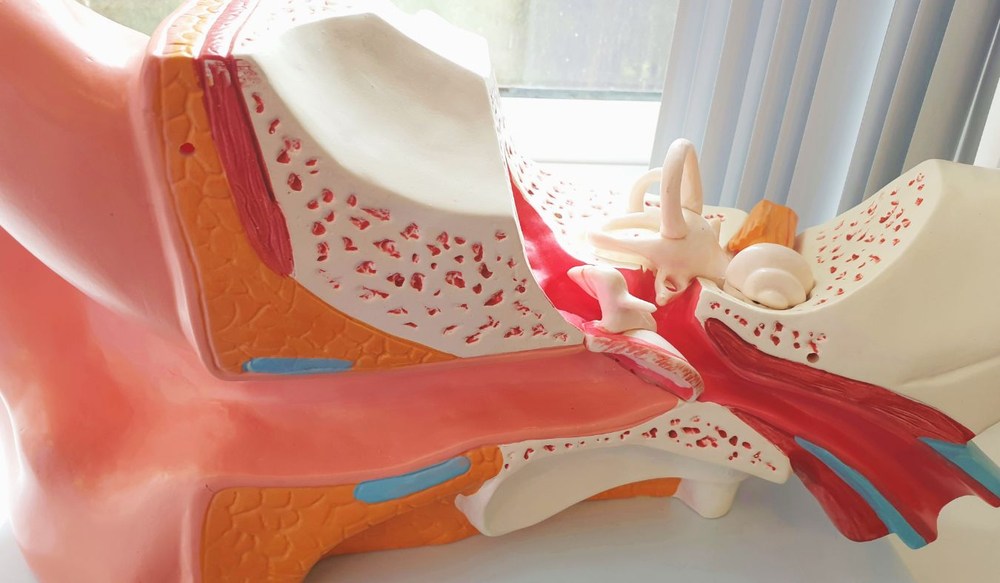
Everyone’s ears are different, so your earmold needs to match your ear shape for the best fit. A well-fitted earmold helps prevent feedback, improves comfort and keeps your hearing aid secure. When thinking about how your ear shape affects earmold fit, consider:

  • The size and curve of your ear canal.
  • The depth and width of your outer ear.
  • Any bends or twists inside the canal.
  • Areas where skin may be sensitive or easily irritated.

Customizing Earmolds for Your Daily Activities

Earmolds can be customized to fit your daily activities, whether you play sports, work in a busy environment or wear glasses. Custom options help keep your hearing aids comfortable and secure during any part of your routine.

Signs Your Earmolds May Not Fit Properly

If your earmolds aren’t fitting right, you might notice discomfort or changes in how well you hear. Pay attention to how your ears feel and how your hearing aids sound each day. Some signs that your earmolds may need adjusting include:

  • Soreness, redness or irritation around the ear after wearing them.
  • Whistling or feedback noises from your hearing aid.
  • Hearing aids that feel loose or fall out easily.
  • Trouble understanding speech clearly, even in quiet places.
  • Pressure points or a feeling that the earmold is too tight.

Simple Ways to Keep Your Earmolds Comfortable

Taking care of your earmolds helps keep them comfortable and working well. Wipe them with a soft, dry cloth at the end of each day to remove moisture or earwax. Use cleaning tools recommended by your audiologist if needed. If you notice buildup or discomfort, ask about safe cleaning sprays or solutions made for earmolds. Store your earmolds in a dry case when not in use to prevent damage. Regularly check for cracks or changes in fit to catch small problems early. Clean earmolds can also help reduce the risk of ear infections.

When to Adjust or Replace Your Earmolds

Knowing when to adjust or replace your earmolds can help maintain both comfort and sound quality. Over time, you might notice your earmolds feeling loose or slipping out more often, which can affect how well your hearing aids work. Soreness, redness or irritation around your ears may also be a sign that the fit isn’t right anymore. Changes in sound clarity or an increase in whistling or feedback can suggest that the earmolds are no longer sealing properly. If the material starts to crack, harden or show signs of wear, it’s likely time for a replacement. When these issues come up, it’s a good idea to meet with your audiologist to check the fit and discuss whether a new set of earmolds is needed.

Getting the Best Fit for Your Earmolds

A well-fitted earmold can improve both comfort and how well your hearing aids work each day. If you notice discomfort or changes in sound quality, it may be time for a new fitting or adjustment. A proper fit helps keep your devices secure and ensures you get the most out of your hearing aids.

If you have questions about earmold materials or want to schedule an appointment for a custom fitting, schedule an appointment with an audiologist. They are available to help you find comfortable solutions tailored to your needs so you can enjoy clear sound and a better experience with your hearing aids.