Many people make sure to schedule their yearly doctor visits, teeth cleanings and eye exams, but hearing tests often get forgotten. You might think that as long as you can hear people talking and follow along with movies, your hearing is perfectly fine. But hearing loss usually happens slowly over time, making it hard to notice until it becomes a problem. Your hearing health is just as important as the rest of your body and needs the same kind of regular care.

Getting your hearing checked regularly helps catch problems before they get worse. These simple appointments can spot issues early when they’re much easier to treat, helping you stay connected to family, friends and all the sounds around you. Whether you’ve noticed some changes in your hearing or just want to make sure everything is working well, regular hearing tests are a smart way to protect something you use every single day.

What to Expect at a Hearing Checkup

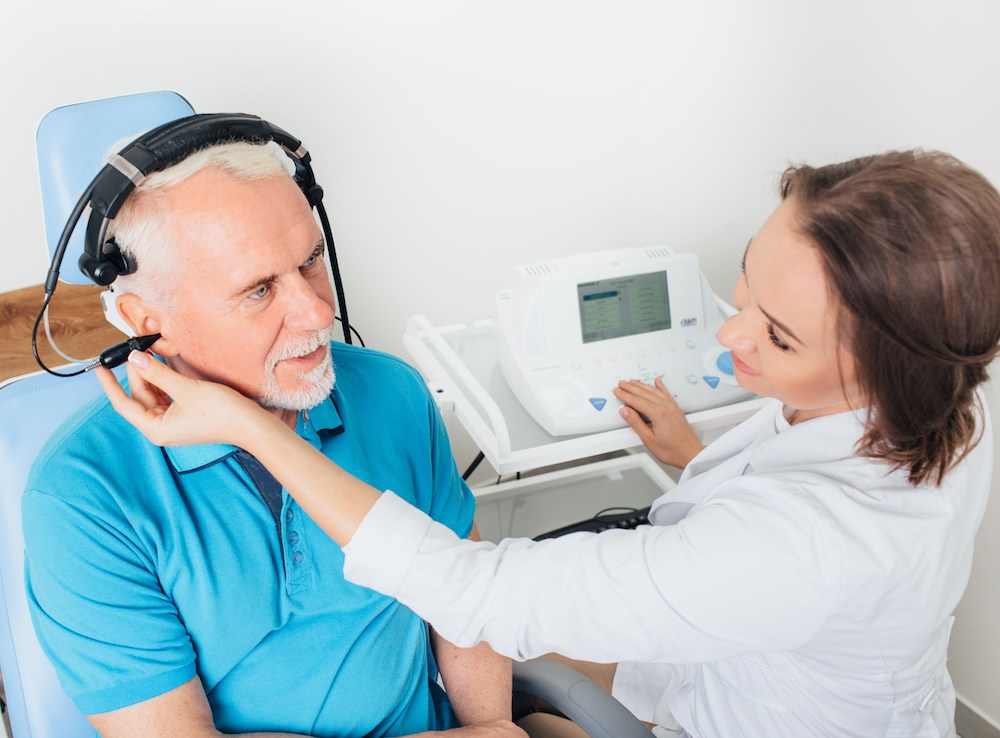
A hearing checkup usually begins with some questions about your health history and any changes you’ve noticed in your hearing. You might be asked about loud noise exposure, medications you use or family members with hearing loss. An audiologist will look inside your ears to check for things like earwax buildup or signs of infection.

After that, you’ll put on headphones and listen for different sounds at various pitches and volumes. You’ll be asked to press a button or raise your hand when you hear a sound. This helps your audiologist see how well you hear different tones. Your results are shown on a chart so you can see any changes. Regular checkups make it easier to track your hearing over time and get support when needed.

How Hearing Loss Can Happen Without Obvious Signs

Hearing loss often happens gradually, making it easy to miss in the early stages. Many people adjust without even realizing it, like leaning in to hear someone speak or increasing the volume on devices. These changes may feel minor and can be mistaken for normal distractions or background noise. Over time, though, these patterns can become more noticeable, especially in group settings or when trying to follow a conversation in a noisy place. Because the changes are slow, it’s common to overlook them until they start getting in the way.

Your brain also plays a role by helping you adapt without much thought. You might rely more on visual cues or context to follow conversations, which can mask the signs of hearing loss for a while. This natural adjustment can delay the choice to get your hearing checked. That’s why regular hearing tests matter, even if you haven’t noticed a major problem. Catching small shifts early can help you take steps to protect your hearing and stay connected to the world around you.

Early Signs That Your Hearing Might Be Changing

One of the early signs that your hearing might be changing is when conversations start to sound muffled or unclear, almost like people are mumbling. You might find yourself asking others to repeat what they said more often or feeling like you’re missing parts of sentences. This can happen even in quiet settings, not just noisy places. You may also notice that understanding speech is easier when you can see the speaker’s face clearly, leading you to rely more on reading lips or picking up on body language.

Another common early sign is needing to turn up the volume on your TV, phone or other devices higher than usual. If you’re adjusting the sound more frequently to hear clearly, it could mean your ears aren’t picking up sounds as well as before. Paying attention to these early signs helps you take care of your hearing. If you notice any of these things, mention them during your next checkup. Catching these changes early helps you stay connected to the people and activities you enjoy.

How Changes in Hearing Affect Everyday Life

Even small changes in hearing can make it harder to keep up with conversations and join in daily activities. You might need to ask people to repeat themselves or miss parts of group talks, which can make social situations less fun and sometimes leave you feeling out of the loop. Everyday things like talking on the phone or listening for sounds like alarms or doorbells can also get harder.

These changes don’t just affect how you communicate – they can also make certain places less comfortable. For example, background noise at restaurants or family gatherings may seem more distracting than before. Needing to turn up the TV or music is another sign things are changing. Noticing these differences helps you stay active and involved with others.

Why Regular Hearing Checkups Matter

Regular hearing checkups help audiologists spot changes that you might not catch yourself. Finding issues early makes it easier to deal with them before they affect your daily life or how you talk with others. Sometimes, changes in hearing are caused by things like earwax, infections or being around loud noise. By finding these problems early, you can take steps to keep your hearing healthy and avoid further issues. Checkups also give you a chance to ask questions and get advice on protecting your ears.

Easy Ways to Take Care of Your Hearing

One of the most important things you can do is protect your ears from loud noises. This means turning down the volume on your headphones, wearing ear protection when you’re around loud machinery or at concerts and taking breaks from noisy environments when possible. If you have to raise your voice to talk to someone standing next to you, that’s a good sign the noise level might be too high for your ears.

Keeping your ears clean is another simple but effective way to maintain good hearing health. Stick to cleaning just the outer part of your ears with a washcloth, never use cotton swabs or other objects inside your ear canal, as this can push wax deeper or cause damage. It’s also helpful to pay attention to any changes in your hearing and write them down. If you notice ringing in your ears, difficulty following conversations or find yourself asking people to repeat themselves more often, make a note of when these things happen. This information can be valuable when you talk to your audiologist about your hearing health.

How Hearing Checkups Support Your Well-Being

Regular hearing checkups do more than help with hearing – they also support how you feel mentally and emotionally. Trouble hearing can sometimes lead to frustration, stress or feeling left out. Finding changes early and getting help keeps you connected with others and lets you keep enjoying the things you care about. If you have noticed signs of hearing loss or need to schedule an appointment for a check-up, talk with an audiologist. They will be able to diagnose and find the right solutions for you. If you want to learn more, schedule an appointment with an audiologist.